
Top SA Rappers Running the Game Right Now
By Eli Jesse
South African hip-hop in 2025 is driven by artists who understand more than just bars. Today’s top rappers combine lyricism, branding, consistency, and cultural awareness to stay relevant in a fast-moving industry. The game isn’t just about who raps the hardest anymore — it’s about who lasts, who owns, and who connects.
Here are the SA rappers truly running the game right now.
Nasty C: The Global Blueprint

Nasty C remains the gold standard for South African hip-hop excellence. His journey from Durban to international stages reshaped how SA artists view the global market. In 2025, his influence goes beyond music — he represents discipline, vision, and long-term thinking.
What keeps Nasty C at the top is his balance. He can deliver lyrical depth, commercial appeal, and global-ready production without losing authenticity. Younger artists study his moves closely, not just his music.
He’s proof that SA hip-hop can compete worldwide without dilution.
Cassper Nyovest: The Culture Architect
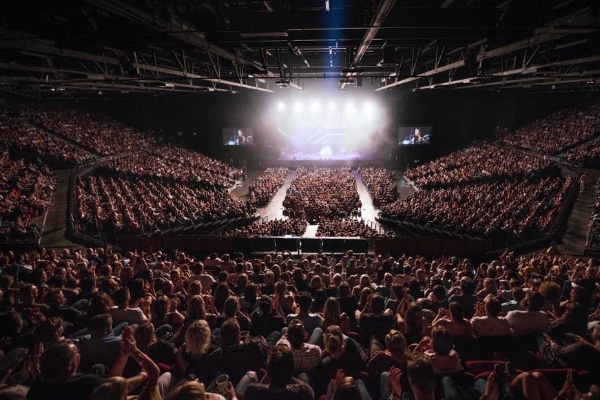
Cassper Nyovest is more than a rapper — he’s a cultural force. While some debate his musical direction, his impact is undeniable. He mastered the art of turning music into moments: sold-out stadiums, brand partnerships, and mainstream visibility.
In 2025, Cassper’s influence lies in showing artists how to turn fame into infrastructure. His ability to stay visible, adapt to trends, and still command attention keeps him firmly in the conversation.
Love him or critique him — the blueprint is real.
A-Reece: The Independent King
A-Reece represents the soul of modern SA hip-hop. He doesn’t chase trends, radio spins, or mainstream validation. Instead, he focuses on storytelling, emotional depth, and artistic integrity.
His fanbase is loyal, engaged, and growing. In an era where independence is power, A-Reece stands as proof that you don’t need industry approval to win. His music resonates because it’s honest, vulnerable, and unapologetically personal.
In 2025, independence isn’t risky — it’s respected.
Kwesta: The People’s Champion
Kwesta continues to bridge the gap between street authenticity and mainstream success. His music speaks to everyday South Africans, blending introspection with pride, struggle, and celebration.
He may not flood the market with releases, but when Kwesta drops, it matters. His consistency, respect within the culture, and ability to age gracefully in the game keep him relevant.
Kwesta’s power is subtle — and that’s what makes it strong.
Young Stunna: The Crossover Star
While often associated with Amapiano, Young Stunna’s presence in hip-hop conversations is undeniable. His melodic approach, street-rooted storytelling, and crossover appeal place him at the center of South Africa’s genre-blending era.
He represents the new reality: artists no longer belong to one lane. Young Stunna thrives in spaces where hip-hop, piano, and pop intersect, reaching audiences traditional rap sometimes can’t.
In 2025, versatility is dominance.
The New Wave Is Watching Closely
Beyond these heavyweights, a new generation is quietly building momentum. These artists study branding, social media, visuals, and fan engagement as much as they study flows and punchlines.
What separates today’s leaders from yesterday’s stars is intention. Every move feels calculated — from drops to collaborations to public image.
SA hip-hop isn’t short on talent. It’s rich with strategy.
What “Running the Game” Really Means
In 2025, running the game isn’t just about streams or chart positions. It’s about:
- Cultural influence
- Ownership and independence
- Longevity
- Fan loyalty
- Business awareness
The rappers listed above dominate in different ways, but they all understand one truth: music opens the door, but vision keeps it open.
Final Thoughts
South African hip-hop is in a powerful era. The game is being run by artists who know who they are, where they come from, and where they’re going.
And the scariest part?
The next generation is already watching — and learning.