The Sound, the Culture, and the Global Impact
By Eli Jesse

South African hip-hop in 2025 is no longer knocking on the global door — it’s already inside. What started as a localized movement inspired by American rap has evolved into a powerful, distinct culture that blends African identity, street realism, business savvy, and global ambition. From Johannesburg to Durban, Cape Town to Pretoria, SA hip-hop is shaping conversations far beyond its borders.
This year, the genre stands at a unique crossroads: deeply rooted in township culture while fully plugged into the global music economy.
The Sound: More Than Just Rap
SA hip-hop in 2025 is sonically diverse. Traditional boom-bap still exists, but it now lives alongside trap, drill, melodic rap, and amapiano-infused hip-hop. Artists are no longer boxed into one sound — they experiment freely, creating music that feels both local and international.
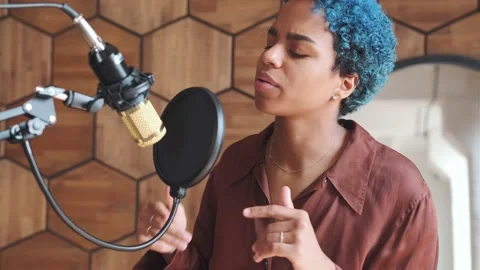
Amapiano’s influence remains undeniable. While some once feared it would overshadow hip-hop, the opposite happened. Rappers embraced it, collaborating with producers and vocalists to create hybrid tracks that dominate clubs and playlists alike. This fusion has helped hip-hop stay commercially competitive without losing its lyrical edge.
Languages also play a huge role. Rappers switch effortlessly between English, isiZulu, isiXhosa, Sesotho, Afrikaans, and township slang, making the music authentic and relatable. This multilingual approach is one of SA hip-hop’s strongest weapons — it sounds real because it is real.
The Culture: From the Streets to the Boardroom
Hip-hop culture in South Africa has always been about more than music. In 2025, it represents hustle, identity, and self-made success.
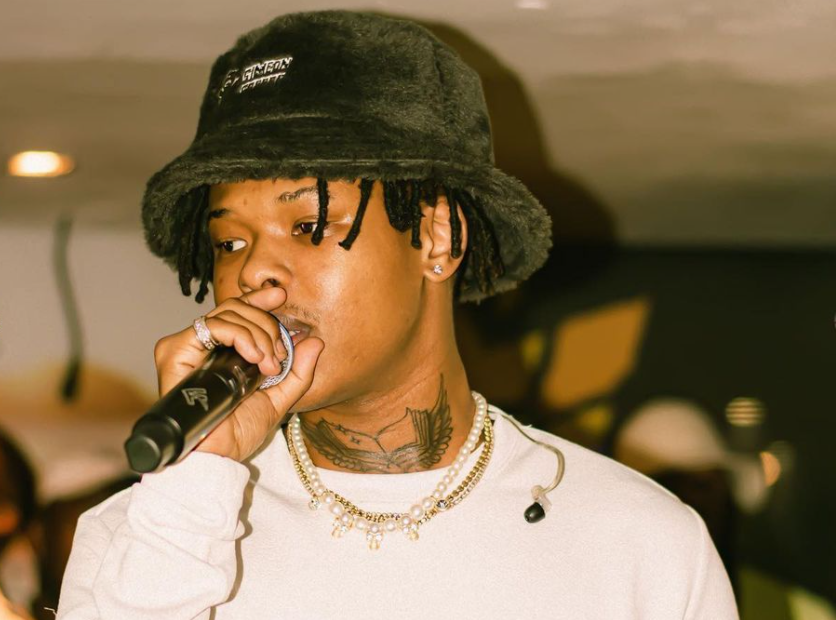
Fashion remains a major pillar. Local streetwear brands thrive, often co-signed by rappers who understand the power of ownership. Oversized tees, designer sneakers, bucket hats, and luxury-meets-street aesthetics dominate the scene. Unlike before, artists are no longer just brand ambassadors — many are founders and creative directors.
Entrepreneurship is now embedded in the culture. SA hip-hop artists run record labels, alcohol brands, clothing lines, tech startups, and event companies. The message is clear: music is the foundation, but ownership is the goal.
Social media and digital platforms continue to shape the culture. TikTok, YouTube, and Instagram have replaced traditional gatekeepers. A viral freestyle or snippet can launch a career overnight. Independent artists no longer wait for labels — they build leverage first, then negotiate from power.
The Heavyweights Still Matter
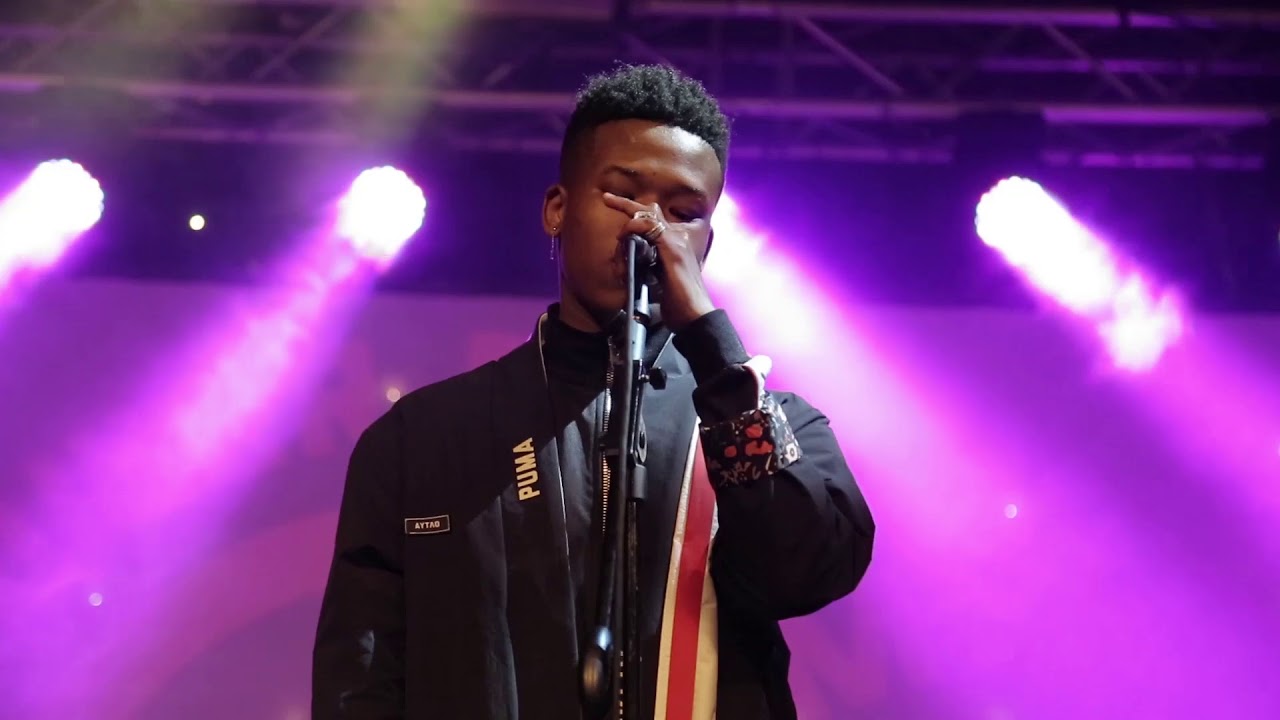
Veteran and mainstream artists continue to shape the direction of SA hip-hop. Figures like Nasty C, Cassper Nyovest, AKA’s legacy, Kwesta, and A-Reece remain cultural reference points. Even as new artists rise, these names influence sound, branding, and career strategy.
What’s changed is respect for independence. Artists who control their masters and distribution are now admired as much as chart-toppers. The idea of “doing it your own way” is no longer risky — it’s the blueprint.
The New Generation Is Fearless
2025 belongs heavily to the new generation. Young SA rappers are confident, internet-aware, and globally inspired. They don’t ask for permission and they don’t wait for cosigns.
This generation understands algorithms, fan engagement, visuals, and branding. Music videos are cinematic, cover art is intentional, and rollouts are strategic. Many of these artists blur the line between rapper, influencer, and entrepreneur.
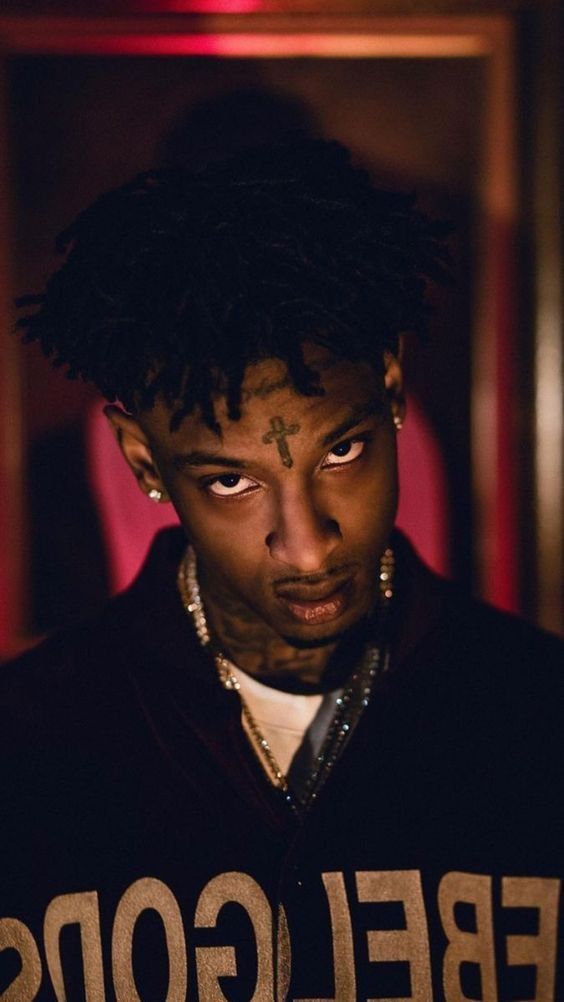
Lyrically, the themes are raw and honest: life in the townships, mental health, ambition, street pressure, love, loss, and survival. The hunger is still there — it just wears better clothes now.
Global Impact: SA Hip-Hop Goes Worldwide
South African hip-hop is gaining serious global recognition in 2025. International collaborations are more common, with artists working alongside musicians from the US, UK, Nigeria, and beyond. Streaming platforms have helped eliminate borders, allowing SA rappers to build audiences in places they’ve never visited.
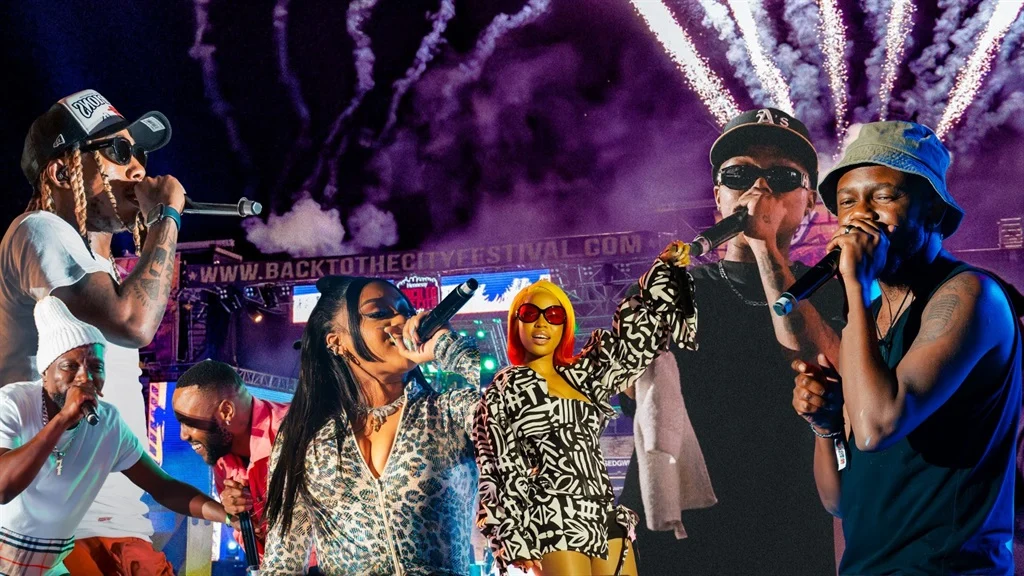
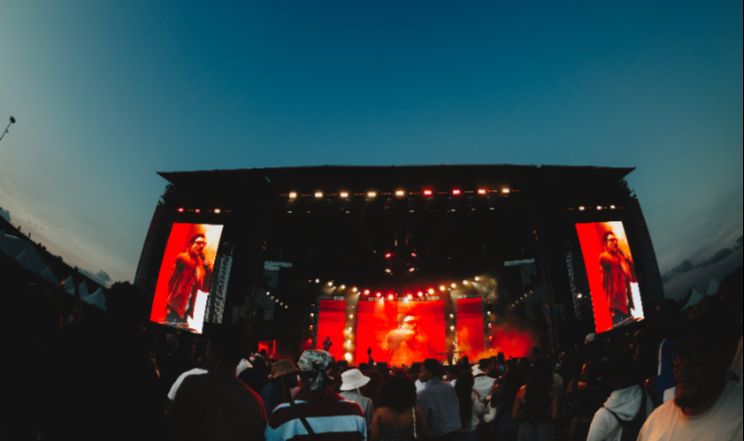
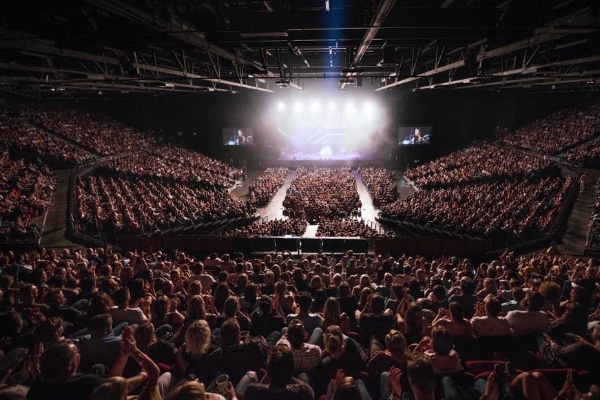
Festivals, international tours, and global playlists are opening doors that once felt unreachable. What makes SA hip-hop stand out globally is its identity — it doesn’t try to copy anyone. The accents, rhythms, and storytelling feel fresh to international listeners.
This global reach also brings responsibility. Artists now represent more than themselves; they represent South African culture, youth, and creativity on a world stage.
The Future Looks Solid
SA hip-hop in 2025 is stable, respected, and still hungry. It has survived competition from other genres, industry politics, and changing trends. Instead of fading, it adapted.
The future points toward more independence, more global partnerships, and deeper cultural impact. As long as artists stay authentic and continue owning their narratives, South African hip-hop will keep growing — not just as music, but as a movement.
This is no longer an emerging scene.
SA hip-hop has arrived — and it’s here to stay.