
South African Hip-Hop: How the Culture Closed Out the Last Week of December
The last week of December in South Africa isn’t just about fireworks and New Year’s countdowns — it’s a cultural cooldown mixed with a victory lap. For hip-hop, this period reflects everything the year stood for: independence, live energy, cross-genre influence, and the streets shaping sound in real time.
While December’s final days rarely bring massive album drops, they tell a deeper story — how South African hip-hop breathes when the industry slows but the people don’t.
A Scene in Reflection, Not Silence

Between December 23 and December 31, SA hip-hop shifts gears. Artists aren’t chasing charts — they’re performing, celebrating, and setting the tone for the next year.
You see it in:
- Low-key live performances
- Club sets blending hip-hop, trap, and amapiano
- Artists teasing unreleased 2026 music
- DJs breaking underground records before mainstream ears catch on
It’s a moment where the culture belongs fully to the fans.
Live Energy: Small Stages, Big Statements
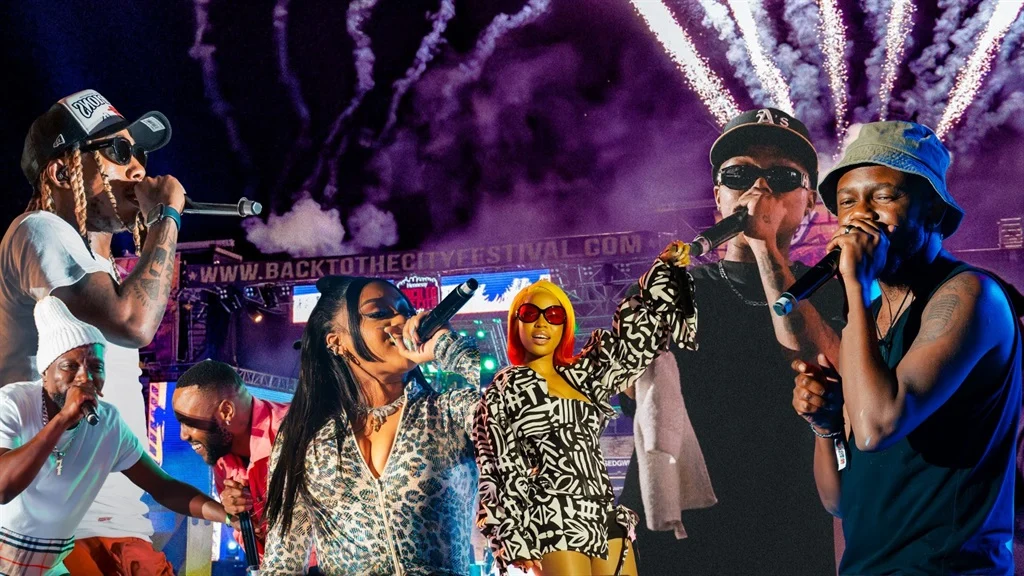
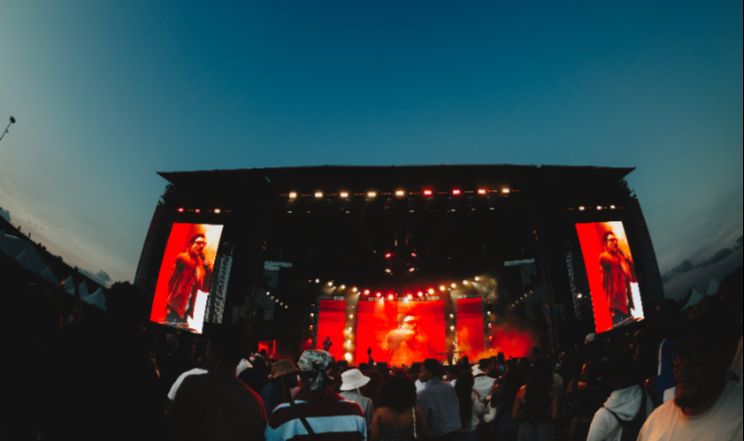
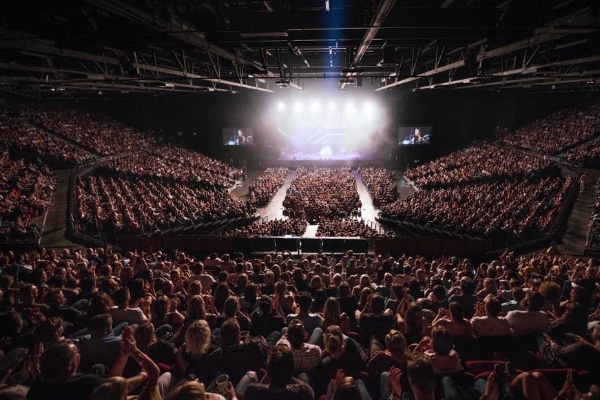
Across Johannesburg, Pretoria, Durban, and Cape Town, the last week of December is packed with end-of-year shows and club appearances.
Instead of large festivals, artists connect in:
- One-man shows
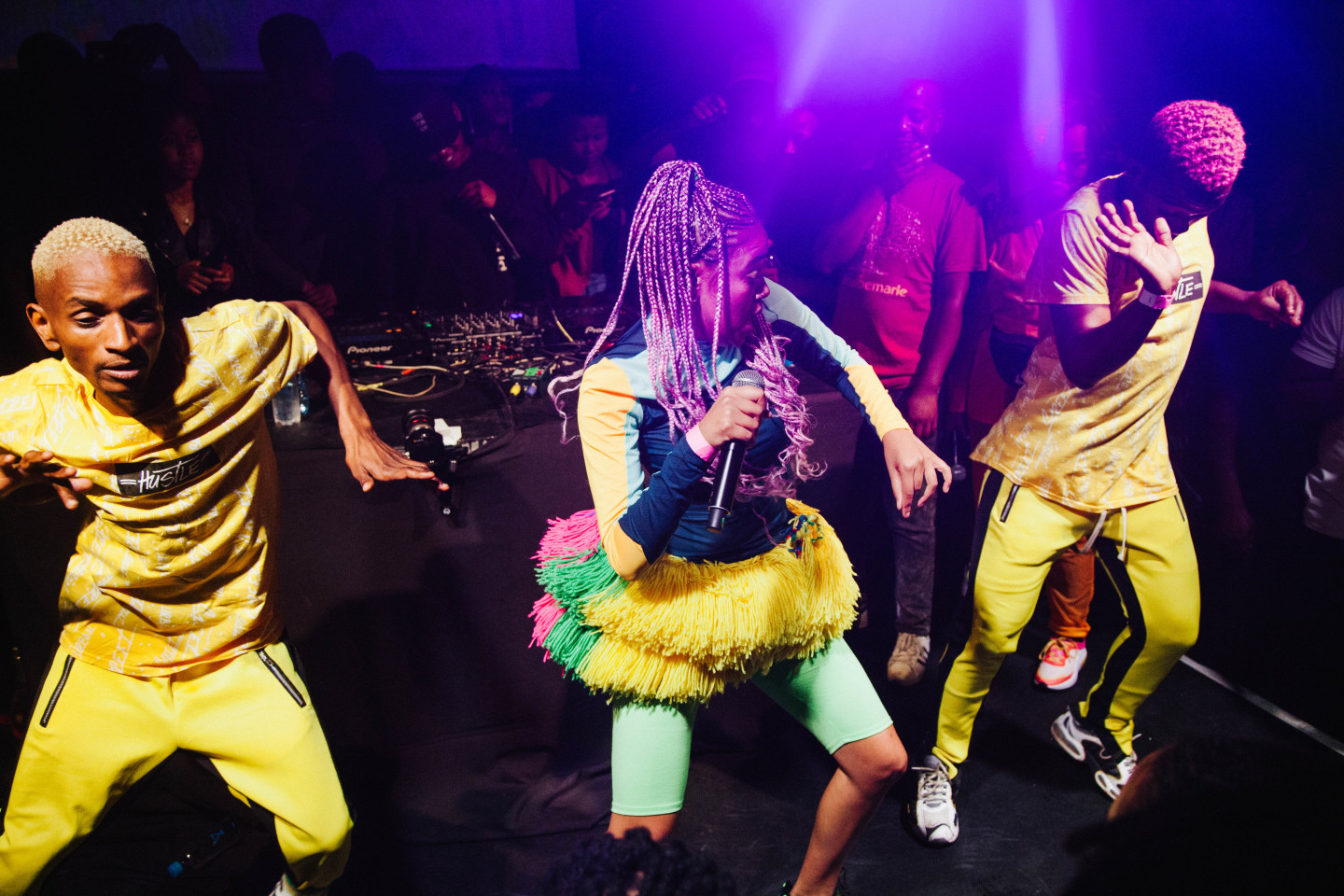
- Pop-up performances
- NYE club sets
- DJ-led hip-hop nights
These intimate settings give fans raw access — unreleased verses, freestyle moments, and crowd interaction you won’t get on festival stages.
For many rising artists, this week is strategic:
- Build buzz
- Test new sound
- Lock in supporters before January drops
Music Drops That Still Hit Late
Even with the holiday slowdown, late-December releases kept the momentum alive.
One standout project still echoing through playlists was “South to the World,” a collaborative EP that represents the new wave of SA hip-hop — melodic, street-rooted, and global in ambition.
Instead of flashy rollouts, these projects spread organically:
- WhatsApp shares
- DJ support
- Club rotation
- Social media snippets
This is how SA hip-hop has always moved — quietly, then everywhere.
The Club Circuit: Where Hip-Hop Meets Amapiano
By the last week of December, the line between hip-hop and amapiano becomes almost invisible.
DJs dominate the scene, blending:
- Trap beats
- Boom-bap influences
- Piano log drums
- R&B hooks
This crossover isn’t accidental — it reflects South African youth culture, where genre loyalty matters less than energy and authenticity.
Hip-hop records that survive December club rotation usually define January trends.
Year-End Culture Over Industry Pressure
What makes this week special is the absence of pressure.
Artists aren’t:
- Competing for streams
- Dropping rushed albums
- Chasing media headlines
Instead, they’re:
- Celebrating growth
- Networking offline
- Living the culture they rap about
That authenticity is why South African hip-hop continues to grow globally without losing its soul.
Setting the Stage for 2026
By December 31, one thing is clear: SA hip-hop didn’t slow down — it recharged.
The final week acts as:
- A soft launch for new sounds
- A meeting point for creatives
- A reminder that hip-hop lives beyond release schedules
When January arrives, many of the songs, artists, and movements that will dominate the year were already being played in clubs and street corners during this final week.
Final Word
The last week of December in South African hip-hop is about presence, not noise.
No rush.
No gimmicks.
Just culture moving at its own pace — confident, rooted, and ready.
South Africa didn’t end the year screaming.
It ended it knowing exactly where it’s going.