South African Hip-Hop Culture Stays Active in January’s Second Week
Byline: Eli Jesse
South African hip-hop entered the second week of January with strong momentum. Even without major album releases dominating the charts, the culture remained active through festivals, digital creativity, street influence, and youth-driven movements across Johannesburg, Cape Town, and beyond. The energy in the scene showed that South African hip-hop is not just about music—it is about identity, community, and long-term growth.
As 2026 began, artists, fans, and creatives continued to shape the culture through performances, online content, and lifestyle expression. The second week of January became a reflection of how deeply rooted hip-hop is in South African youth culture.
Festival Season Energy Boosts South African Hip-Hop
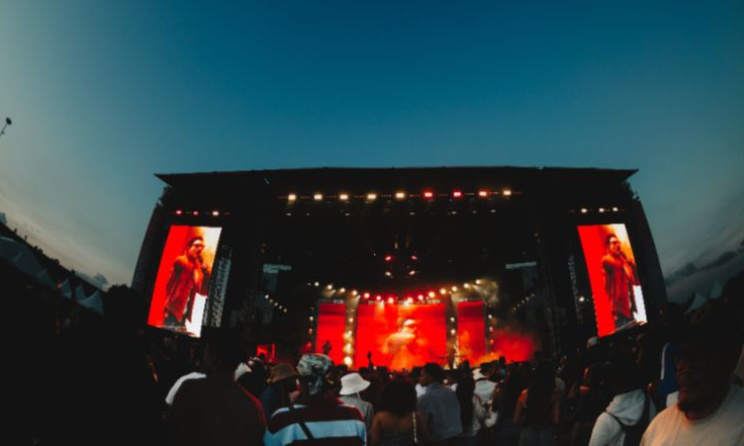
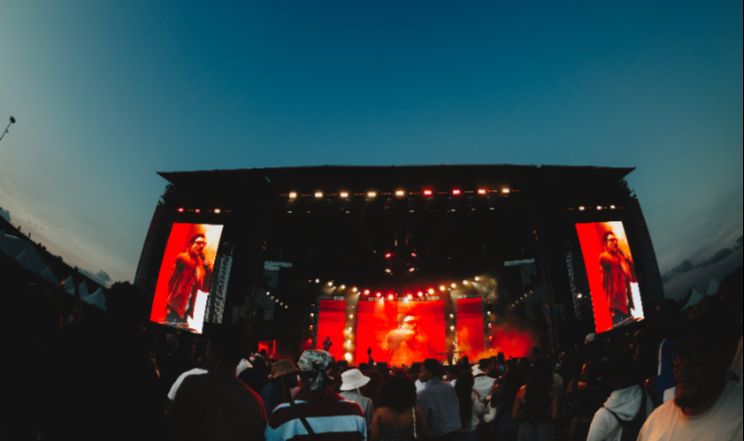
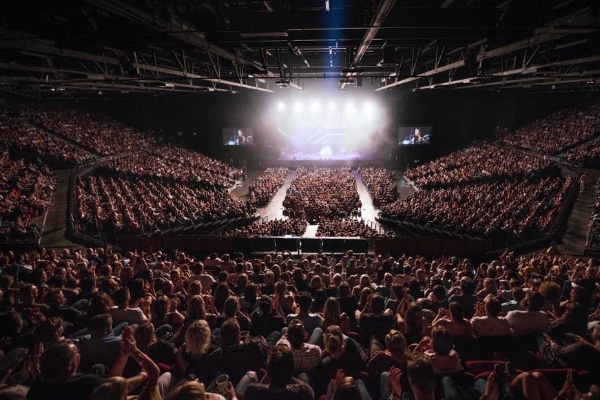
The festive season carried over into January, keeping the South African hip-hop scene vibrant and visible. Music events, pop-up shows, and creative gatherings gave artists and fans a chance to connect in real-life spaces.
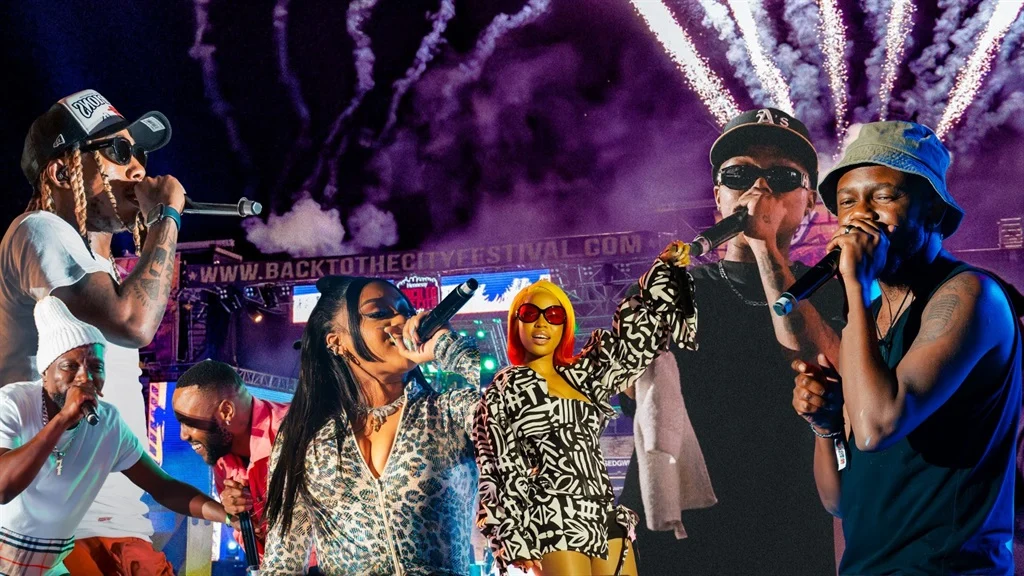
One of the most influential movements was the continued impact of Milk + Cookies Music Week, which had begun earlier and extended into the new year. The festival brought together international and local artists while also creating opportunities for South African talent to gain exposure. More than just performances, the event included panels, workshops, and networking sessions that supported the growth of the music industry.
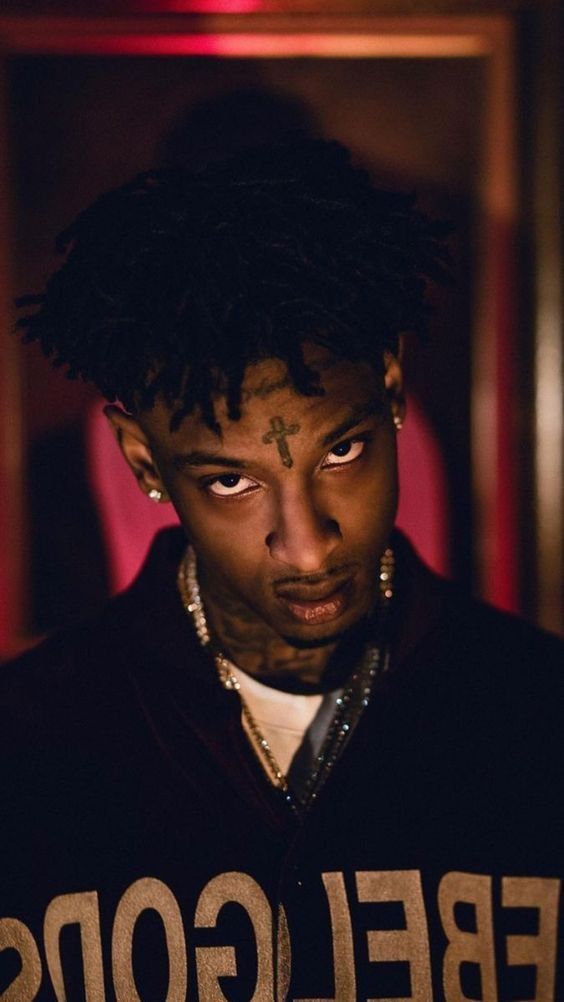
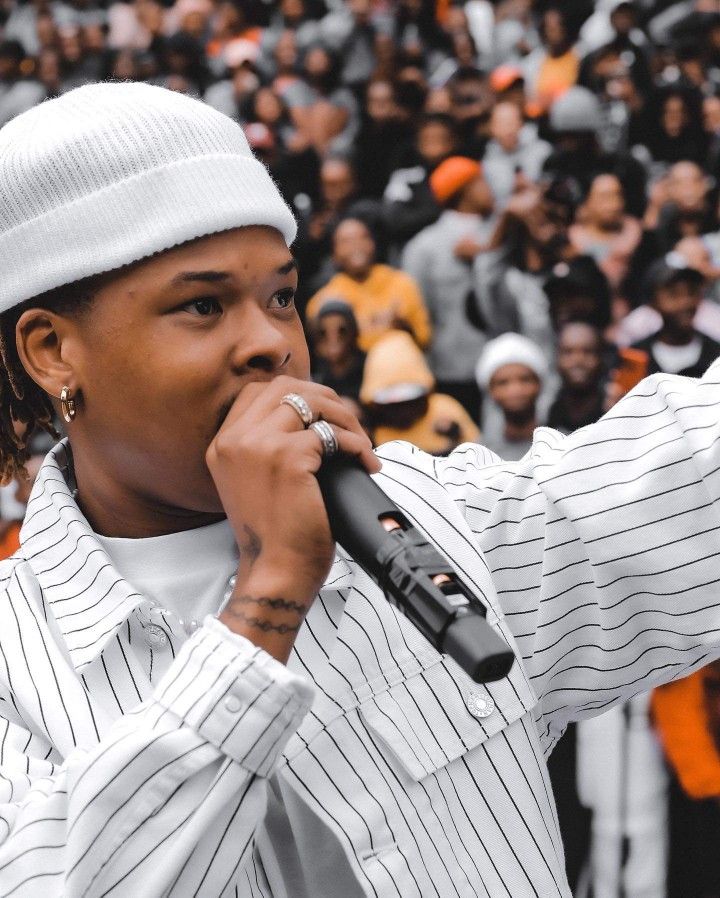
Artists such as Nasty C, A-Reece, YoungstaCPT, Blxckie, and Vigro Deep remained central to the conversation. Their influence goes beyond music—they represent different sides of South African hip-hop, from lyrical depth to modern trap sounds and street culture appeal.
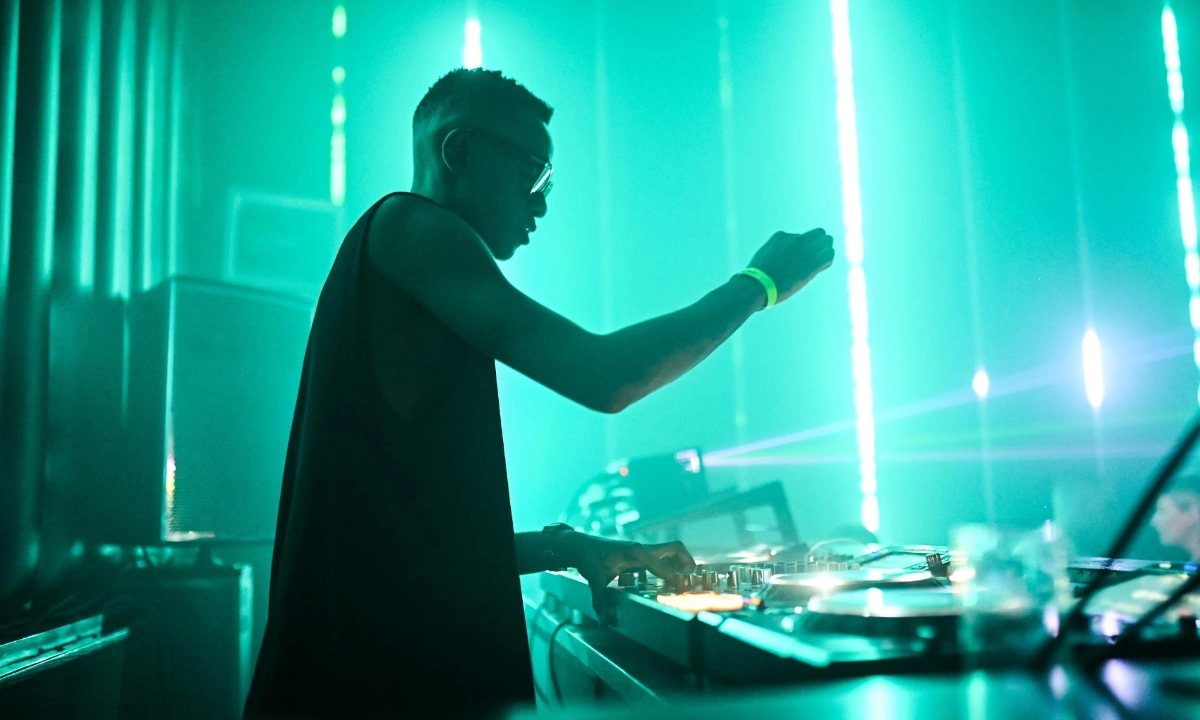
For many younger artists, these events provided rare chances to connect with producers, DJs, and industry figures. Open mic sessions, studio meetups, and informal networking moments helped underground rappers push their careers forward.
The festival atmosphere reminded everyone that South African hip-hop is built on community. It thrives when artists support each other, share platforms, and build spaces for creativity.
The Streets, The Internet, and the Culture
While live events kept the energy strong, the digital world played an equally important role in Week 2 of January. Social media platforms such as TikTok, Instagram, and YouTube Shorts were filled with freestyle clips, studio previews, cyphers, and behind-the-scenes content.
Many artists used the new year as a fresh start. Short videos teased upcoming EPs, singles, and collaborations. Fans engaged heavily with this content, showing that South African hip-hop doesn’t rely only on radio or mainstream media—it grows through direct fan interaction online.
Street culture remained closely connected to the music. Fashion trends like oversized tees, local streetwear brands, sneakers, and unique hairstyles continued to reflect hip-hop identity. Artists didn’t just influence sound; they shaped how young people expressed themselves.
Dance challenges, freestyle videos, and creative skits kept the culture visible and entertaining. Even without official releases, the scene stayed active because fans and artists continued to participate in the culture daily.
Youth Influence and Independent Growth
South African hip-hop has always been powered by the youth, and January’s second week proved that this hasn’t changed. Young artists, content creators, and fans played a major role in keeping the culture alive.
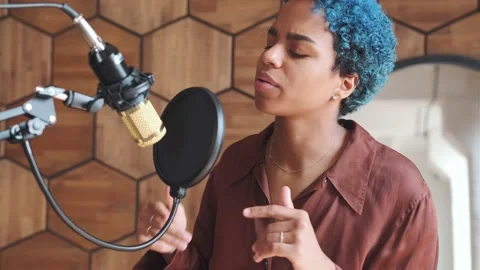
Independent rappers used social platforms to promote their music without waiting for record labels. This freedom allowed for more creativity, experimentation, and personal storytelling. Many artists focused on authenticity rather than chasing trends, which helped the culture stay original.
University students, street performers, and local creatives also contributed by hosting small events, recording freestyles, and supporting underground talent. These grassroots movements are essential to the growth of South African hip-hop.
The culture thrives when young people feel represented. From lyrics about real-life struggles to visuals that reflect township and city life, South African hip-hop continues to speak directly to its audience.
Sound Evolution in South African Hip-Hop
Another key highlight of Week 2 was the diversity of sound within the culture. South African hip-hop no longer fits into one style.
Some artists continue to focus on lyrical rap with strong storytelling. Others lean into trap, drill, or melodic rap influenced by global sounds. There is also growing fusion between hip-hop, amapiano, and R&B elements, creating unique South African flavors.
This musical diversity keeps the culture fresh. Fans are no longer limited to one type of hip-hop—they can enjoy different moods, themes, and sonic experiences.
The evolution of sound shows that South African hip-hop is not copying international trends blindly. Instead, artists are adapting global influences to fit local experiences and identities.
Community, Identity, and Representation
Beyond the music, South African hip-hop continues to play an important role in social identity. The culture gives young people a voice, a sense of belonging, and a platform to express their realities.
Lyrics often touch on themes like ambition, survival, loyalty, mental strength, and social pressure. These messages resonate with listeners who see their own lives reflected in the music.
Hip-hop also remains a space for representation. Artists from different backgrounds, regions, and lifestyles use the culture to tell their stories. This diversity strengthens the scene and allows more people to feel connected.
In January’s second week, the culture reminded fans that hip-hop is not just entertainment—it is a form of expression and empowerment.
Fashion, Lifestyle, and Hip-Hop Influence
Fashion continued to be a major part of South African hip-hop culture. Streetwear brands, custom outfits, and bold styles dominated social media.
Artists used their image to communicate confidence and identity. From music videos to live performances, fashion remained a powerful tool for storytelling.
Sneaker culture also stayed strong, with fans showing off their collections and connecting fashion to music. These lifestyle elements prove that South African hip-hop is not limited to sound—it influences how people live, dress, and present themselves.
South African Hip-Hop’s Direction for 2026
Week 2 of January showed that South African hip-hop is entering 2026 with stability and confidence. Even without massive chart releases, the culture remained active through community events, online creativity, and youth engagement.
The strong connection between artists and fans keeps the scene alive. Independent growth, digital platforms, and live events all contribute to a balanced ecosystem.
As the year continues, more collaborations, projects, and cultural moments are expected. With a solid foundation already in place, South African hip-hop is set to grow even further in influence, both locally and internationally.
From Cape Town to Johannesburg, one thing is clear:
South African hip-hop is alive, evolving, and ready for the future.