SAMA31 Goes Hybrid: Why South Africa’s Biggest Music Awards Are Changing And What It Means for Hip-Hop
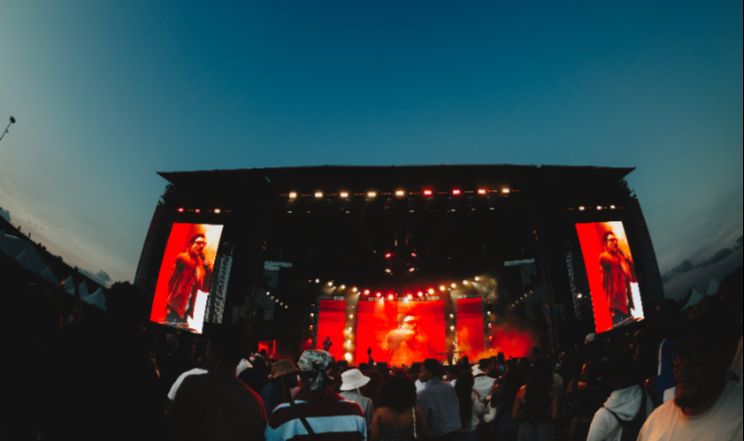
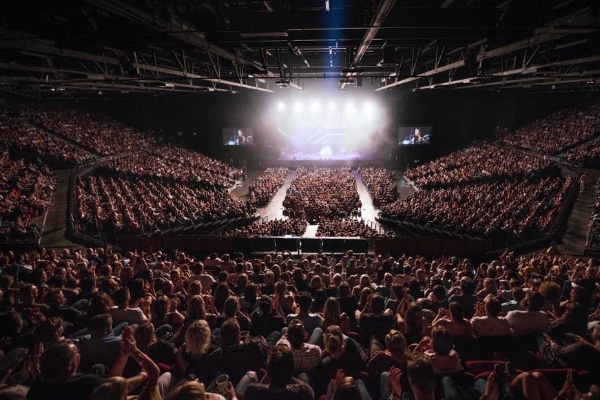
The first week of November opened with a surprise announcement that shook the South African music industry: SAMA31 is officially going hybrid, mixing digital broadcast with a limited physical ceremony.
For casual music lovers, this may have sounded like “just another format change.”
But for hip-hop artists, producers, labels, and fans — especially those in Cape Town this move revealed deeper truths about where the industry stands, where it’s struggling, and where hip-hop fits in as one of SA’s most influential genres.
Today, we break down the story behind the hybrid shift, why it happened, how it affects hip-hop culture, and what it means for the future of SA music.

A Press Release That Sparked a Debate
On November 7, RiSA dropped a press release confirming what insiders had been whispering for weeks — the South African Music Awards were restructuring, not because of style or innovation alone, but because of funding pressure and a need to modernize.
The new hybrid format means:
- A smaller physical ceremony
- More online streaming segments
- Pre-recorded features
- Digital red carpets and behind-the-scenes content
- A stronger push toward online audiences
This change comes at a time when SA music is in flux, battling lower sponsorship budgets, growing digital consumption, and competition from genres like amapiano dominating global platforms.
But hidden behind all the headlines is a bigger story:
SAMA31 might actually be opening doors for hip-hop — and for Cape Town artists in particular.
Why the SAMA31 Hybrid Format Matters
Let’s break down the impact of this shift through a hip-hop lens.
1. Lower Barriers for Independent Hip-Hop Artists
A hybrid format means less emphasis on the red-carpet economy — where big labels shine — and more focus on digital storytelling.
This is good news for hip-hop, because:
- The genre thrives online
- Independent rappers dominate streaming
- Underground artists now have a better chance of visibility
- Viral moments → award moments
For Cape Town’s indie scene — home to raw, gritty storytellers and rising stars — this could be the most accessible SAMA era yet.
2. Digital Focus = A Younger Audience
Hip-hop owns the youth.
The youth own the internet.
The SAMAs want the youth.
It’s simple math.
A hybrid ceremony means:
- Clips on TikTok
- Cypher-style content
- Fast-paced digital interviews
- Short-form performance cuts
This plays straight into hip-hop’s strengths.
Imagine K.Keed freestyling behind the scenes.
Imagine YoungstaCPT talking Cape Flats heritage on a digital segment.
Imagine Touchline dropping poem-like quotables designed for social media.
This format isn’t a setback — it’s alignment.
3. Transparency in the Awards Process
Historically, SAMA award debates often end with fans saying:
“The real artists didn’t get recognized.”
But digital ceremonies allow:
- Public voting expansion
- Real-time engagement
- Behind-the-scenes nomination explanations
- Faster feedback loops
Hip-hop fans are among the most vocal communities in SA music.
Hybrid systems give them more power, more voice, and more pressure on the academy to do things right.
4. A Spotlight on Hip-Hop’s Best Nominees
This year, the Best Hip-Hop Album category is one of the strongest in years.
From lyrical giants to street storytellers, the lineup reflects how deep SA hip-hop has grown.
Some standout nominees include:
- Blxckie (“See U Soon Deluxe”) – versatile, melodic, and still setting pace
- Loatinover Pounds (“Pray 4 Pitori”) – township storytelling with national impact
- Tony Dayimane (“Red October: Induction”) – gritty, sharp, unapologetically hip-hop
- 25K – Pretoria’s street general continuing his rise
- Sizwe Alakine – merging kwaito, hip-hop, and street energy
This diverse nomination spread shows that hip-hop is not just surviving — it’s thriving.
Why the Hybrid Shift Happened (The Real Talk)
Let’s keep it real:
Funding was a major part of this change.
Sponsors are cautious.
Budgets are tightening.
The industry is shifting toward digital-first strategies.
A full-scale SAMA ceremony is expensive — staging, venues, production, celebrities, red carpets, hotel costs — millions.
The hybrid model cuts costs while boosting reach.
And reach is what keeps the awards alive.
This is not just a reinvention.
It’s survival mixed with strategy.
How This Impacts Cape Town Artists
Cape Town’s hip-hop scene is unique:
Raw.
Truthful.
Street-rooted.
Globally aware.
But it has often been underserved by Johannesburg-centered award ceremonies.
This hybrid model could change everything.
More digital slots = more chances for Cape Town to shine
Imagine features on:
- Bo-Kaap street culture
- Cape Flats rap storytelling
- Local cypher sessions
- Studio documentaries
- Khayelitsha and Mitchells Plain artists
- Cape Town beatmakers shaping new sounds
The SAMAs may finally capture the full picture of SA hip-hop — not just the Johannesburg version of it.
What Fans Said Online
SAMA31 announcements sparked mixed reactions.
The positive crowd said:
- “Finally! Something modern.”
- “Make it digital — we don’t watch 3-hour TV shows.”
- “Good for independent artists!”
The skeptics said:
- “Is this budget cuts in disguise?”
- “Will the hybrid model reduce prestige?”
- “Is hip-hop even going to get stage time?”
But the conversation itself shows hip-hop’s power.
It is the genre people argue about the most.
It carries the most passionate fans.
It drives culture.
Where there’s debate, there’s relevance.

What to Expect Going Forward
With the hybrid format, SAMA31’s future could include:
- More performance slots for rappers
- Collaborative digital cyphers
- Online documentary-style features
- Real-time fan votes
- Interactive nomination shows
- Digital-only award categories
Hip-hop benefits from all of this.
Because hip-hop is built for the digital era.
The Bigger Picture: Hip-Hop’s Evolving Place in SA Music
As amapiano spreads globally, some critics claim hip-hop is “slowing down.”
But moves like the SAMA31 hybrid shift say the opposite.
Hip-hop is not fading — it’s transforming.
It’s adapting.
It’s entering a phase where digital culture, authenticity, and visual storytelling matter more than ever.
And that’s where hip-hop thrives.
Final Thoughts: A New Era for Recognition
SAMA31’s hybrid format might have been born from challenges, but its potential impact is massive — especially for hip-hop.
It brings:
- more access
- more transparency
- more opportunity
- more innovation
- more representation across cities
And above all, it invites Cape Town hip-hop to not just participate, but lead, shape, and define the future of the culture.
This is more than an award ceremony adapting to the times.
It’s the beginning of a new chapter.