
Cape Town Rappers Turn Momentum Into Music
Cape Town hip-hop is in a focused phase—less noise, more intention. The city’s artists are no longer chasing quick moments or viral attention. Instead, they’re putting energy into sound, message, and presence. From established voices to emerging talent, Cape Town continues to shape a hip-hop identity that’s rooted in lived experience, culture, and authenticity.
YoungstaCPT: Consistency Over Hype
YoungstaCPT remains one of the most respected figures in Cape Town hip-hop, not because of constant drops, but because of consistency. His influence goes beyond music—it lives in conversations about politics, inequality, and identity. Every performance feels like a statement, and every public appearance reinforces his role as a cultural voice rather than just a rapper.
What keeps YoungstaCPT relevant is his refusal to dilute his message. In a time where trends change fast, he represents stability. Younger artists often reference him not only for his lyricism, but for his discipline and clarity of purpose. In many ways, he sets the standard for what it means to represent Cape Town with integrity.
K.Keed and the Rise of Confident Femcees
One of the strongest shifts in the city’s hip-hop landscape is the growing dominance of female artists. K.Keed stands at the center of this movement, bringing confidence, sharp delivery, and undeniable presence. Her performances command attention, and her sound reflects a generation that refuses to be sidelined.
Cape Town femcees are no longer treated as an alternative lane—they are part of the main conversation. K.Keed’s rise reflects a broader change in audience mindset, where talent and authenticity matter more than stereotypes. Her success also opens doors for other women in the scene, signaling a more balanced and progressive future for Cape Town hip-hop.
Underground Artists Keep the Culture Alive
While major names hold the spotlight, the heartbeat of Cape Town hip-hop lives underground. Rappers from Khayelitsha, Gugulethu, Mitchells Plain, Woodstock, and surrounding areas are releasing music independently, often without industry backing. These artists rely on raw storytelling, personal experience, and community support.
The underground sound leans heavily into boom bap foundations, drill-inspired rhythms, and soulful samples. What sets it apart is language—many artists blend Afrikaans, isiXhosa, and English seamlessly, creating music that feels local and personal. These tracks spread through word of mouth, shared links, DJ sets, and live cyphers, keeping the culture active outside mainstream platforms.
Live Performances and Cypher Energy
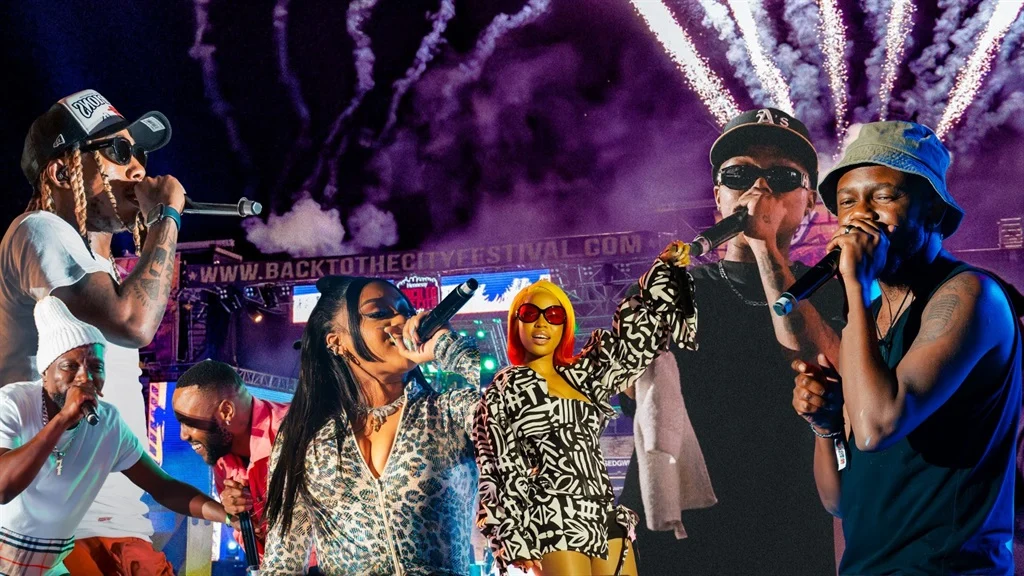
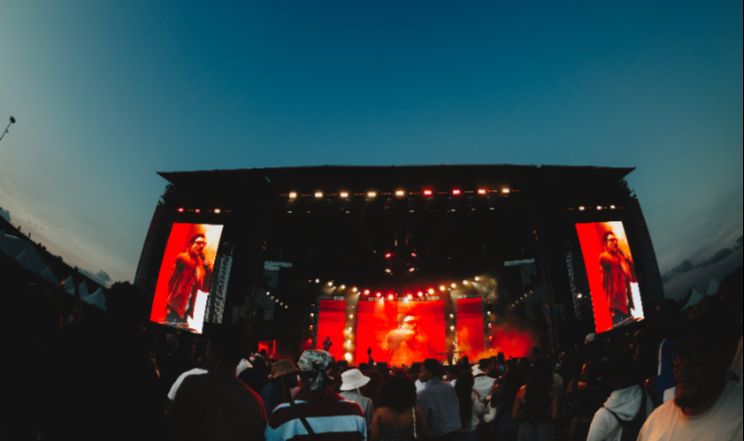
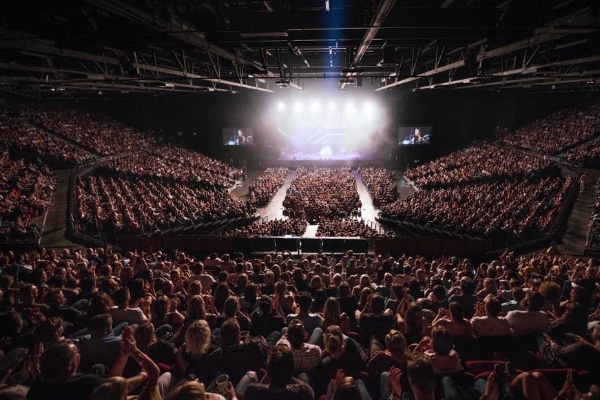
Live hip-hop spaces play a major role in sustaining the scene. Small venues, pop-up shows, and open-mic nights continue to give artists room to grow. Cyphers remain a core element, especially in township areas, where rappers sharpen their skills and earn respect face-to-face.
These spaces also serve as community hubs. Fans don’t just come to listen—they come to participate, debate lyrics, and support local talent. This close connection between artist and audience is one of Cape Town’s greatest strengths, allowing authenticity to thrive without heavy industry pressure.
Producers Stepping Into the Light
Another noticeable evolution is the growing recognition of producers. Beatmakers are no longer invisible—they are collaborators. Cape Town producers are experimenting with darker textures, minimal drum patterns, and soulful loops that give rappers room to speak clearly.
More artists are openly crediting producers and building long-term creative partnerships. This shift points to a healthier ecosystem, where music is treated as a collective effort rather than a solo chase for attention.
What This Moment Represents
Cape Town hip-hop right now feels grounded, patient, and determined. Artists understand that longevity matters more than fast fame. There’s a strong sense of identity, pride, and responsibility—to the culture, to the streets, and to the next generation.
Instead of following trends, Cape Town continues to define itself. The city’s hip-hop scene isn’t loud for attention—it’s loud with purpose. And that’s what keeps it powerful.