
Cape Town Hip-Hop Stays Loud as 2026 Kicks Off
Cape Town’s hip-hop scene hasn’t slowed down at all since January 23, moving with a mix of celebration, reflection, and raw street energy. From festival stages to emotional tributes, the Mother City continues to prove why it’s one of Africa’s most influential hip-hop hubs.

A City Still Feeling the Loss of Bravo Le Roux
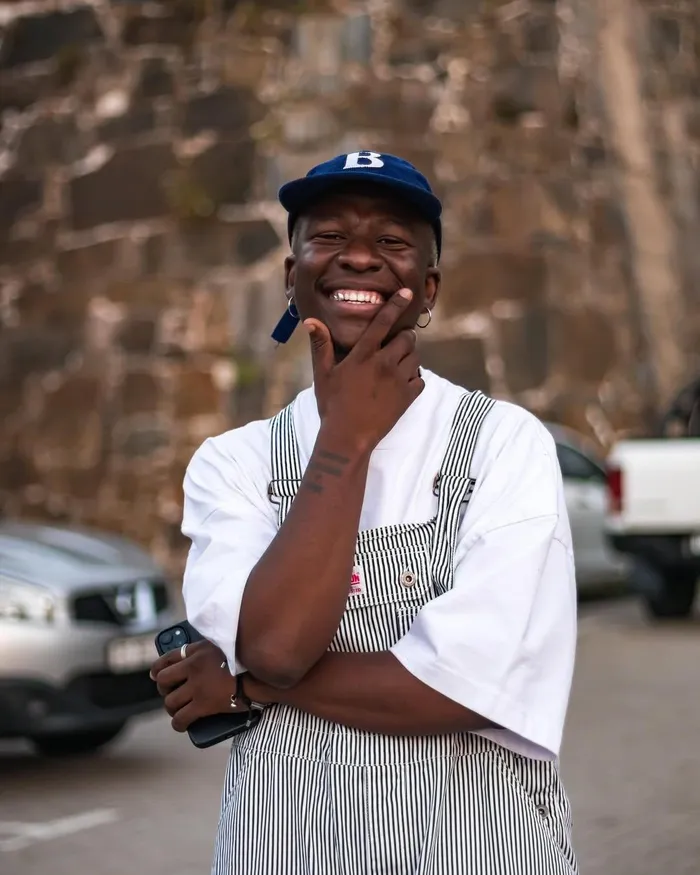
One of the most emotional moments this period has been the continued reaction to the passing of Bravo Le Roux, the Khayelitsha-born rapper whose voice represented township youth with honesty and grit. Since the 23rd, Cape Town artists have flooded social media and live performances with tributes—freestyles, shout-outs, and moments of silence at shows. His influence is especially felt in Khayelitsha and Mitchells Plain, where upcoming rappers openly credit him for inspiring their sound and confidence.
Milk + Cookies Festival Aftershocks
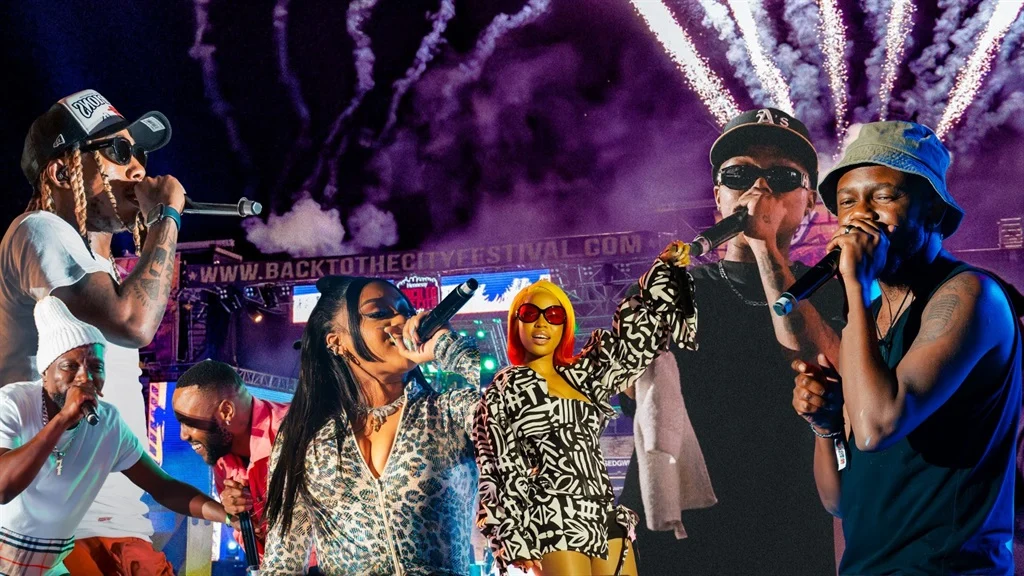
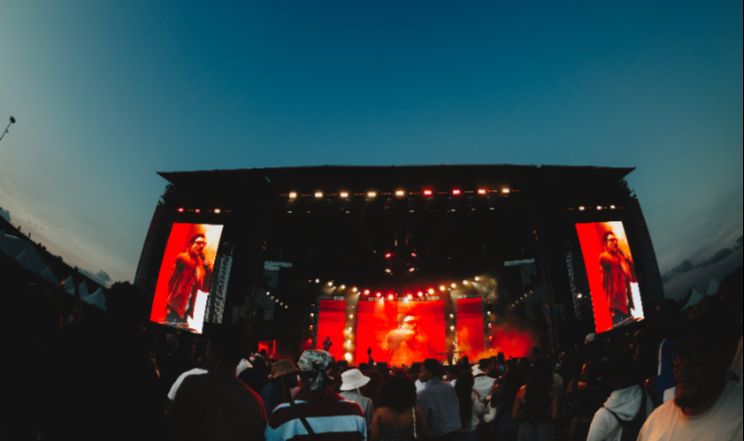
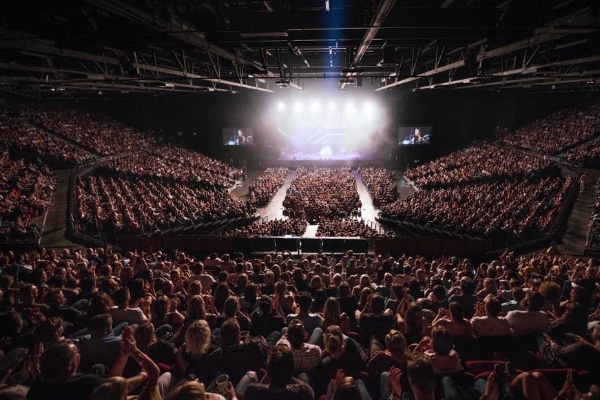
Although Milk + Cookies 2026 happened earlier in January, its impact has carried into the days after the 23rd. Performances by YoungstaCPT, Nasty C, and international acts kept conversations buzzing across Cape Town. Local hip-hop fans praised how Cape Town artists held their own on a global-level stage, with YoungstaCPT’s politically charged bars once again reminding people that Cape Town rap is rooted in real-life struggles, not just vibes.
Underground Cyphers Taking Center Stage
While festivals dominate headlines, the real movement since Jan 23 has been underground. Open-mic nights, street cyphers, and small venue shows in Woodstock, Observatory, Khayelitsha, and Gugulethu have seen a rise in attendance. More young MCs are stepping out, blending Xitsonga, isiXhosa, Afrikaans, and English, creating a sound that’s unmistakably Cape Town.
Producers are also experimenting more—boom bap is making a comeback, but it’s being fused with drill tempos and soulful samples, giving local tracks a timeless but current feel.
Hip-Hop as Culture, Not Just Music
Cape Town hip-hop during this stretch hasn’t just been about releases. Spoken-word performances, hip-hop theatre concepts, and community shows have gained momentum. Artists are using rap to talk about mental health, police pressure, poverty, and identity, reinforcing hip-hop’s role as a voice for the streets rather than just entertainment.
What This Moment Says About Cape Town
From January 23 to now, Cape Town hip-hop feels grounded and hungry. There’s grief, but also purpose. There’s celebration, but also reflection. The scene isn’t chasing trends—it’s building legacy. Veterans are still respected, and newcomers are fearless, making this one of the most balanced moments in recent Cape Town hip-hop history.