

Cape Town Hip-Hop and the Future: Where the Scene Is Headed
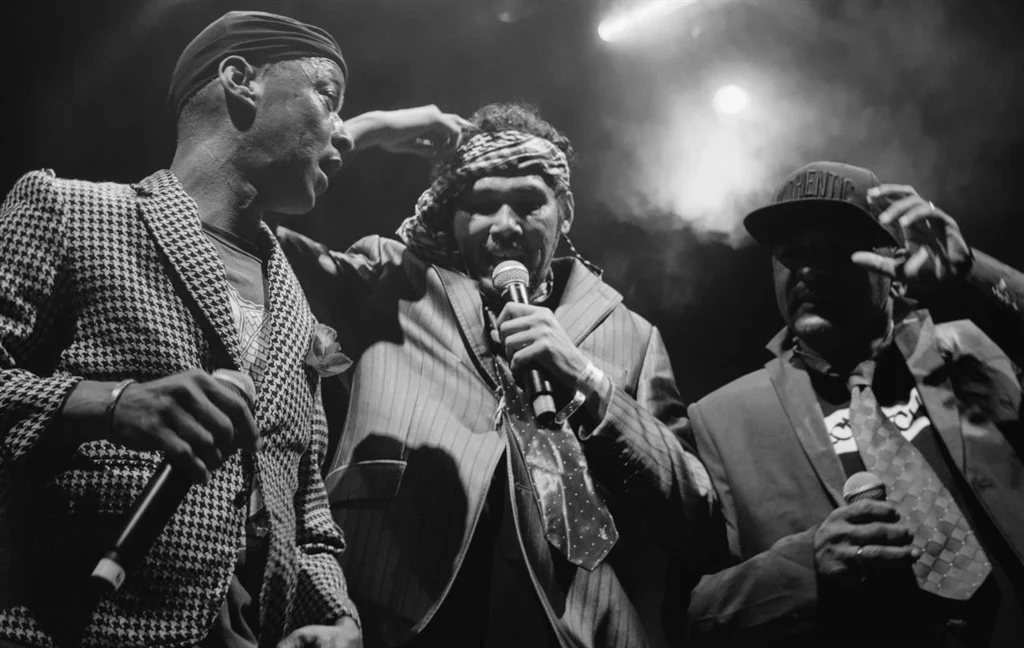
Cape Town hip-hop is no longer asking for permission. The scene has matured into something confident, self-aware, and forward-looking. While its roots remain deeply tied to the streets and townships, the direction ahead shows ambition, evolution, and a strong sense of ownership over its future.

Independence as the New Standard
One of the clearest shifts in Cape Town hip-hop is the embrace of independence. Artists are no longer waiting on labels or gatekeepers to validate their work. Instead, they are building their own platforms—handling releases, visuals, branding, and fan engagement themselves.
This independence allows artists to stay authentic. Music is released when it’s ready, not when it fits an industry schedule. Creative control stays with the artist, and that freedom is shaping a sound that feels honest and uncompromised.
Sound Evolution Without Losing Identity
Cape Town hip-hop continues to evolve sonically, but it doesn’t abandon its roots. Boom bap, soulful samples, and gritty street rap still form the foundation, but they’re now being blended with modern elements like drill rhythms, experimental textures, and stripped-back production.
What’s important is that experimentation doesn’t erase identity. Artists still sound like where they’re from. Accents, language choices, and local references keep the music grounded, even as production becomes more polished and forward-thinking.
Visual Quality Is Catching Up
Another major sign of growth is the improvement in visuals. Music videos, cover art, and promotional content from Cape Town artists are becoming sharper and more intentional. Even underground artists now prioritize storytelling, aesthetics, and mood in their visuals.
This visual growth helps Cape Town hip-hop compete on a global level without copying global trends. The imagery still reflects township life, city streets, and community spaces—but with better execution and creative direction.
Collaboration Over Competition
Instead of constant rivalry, the scene is slowly leaning toward collaboration. Artists are featuring each other, producers are working across neighborhoods, and collectives are forming organically. This shift strengthens the scene as a whole.
Collaboration also helps bridge gaps between generations. Younger artists gain guidance, while veterans stay connected to new energy. This balance keeps the culture alive and adaptable.
Digital Reach, Global Ears
With streaming platforms and social media, Cape Town hip-hop now reaches listeners far beyond South Africa. Diaspora audiences and international hip-hop fans are discovering the scene through playlists, short-form videos, and word-of-mouth sharing.
Despite this global access, artists remain careful not to water down their sound for outside audiences. The goal isn’t to fit in—it’s to stand out by being real.
Challenges That Still Exist
The future isn’t without obstacles. Limited funding, lack of infrastructure, and inconsistent media support still affect many artists. Mental health pressure, burnout, and financial instability remain real issues within the scene.
However, the difference now is awareness. Artists talk openly about these challenges, creating space for solutions rather than silence.
What the Next Generation Represents
The next wave of Cape Town hip-hop artists represents fearlessness. They are informed, expressive, and unafraid to tell uncomfortable truths. They don’t chase trends blindly—they question them. They understand culture, business, and self-worth more deeply than generations before.
This mindset suggests a future where Cape Town hip-hop isn’t just surviving—it’s leading.
Conclusion
The future of Cape Town hip-hop looks intentional and self-defined. Artists are building systems, protecting identity, and pushing creativity forward without losing their roots. The scene may still be underground in many ways, but its impact continues to grow.
Cape Town hip-hop isn’t waiting for the future.
It’s creating it.