
Back to the City Goes Prime-Time: What It Means for South African Hip-Hop
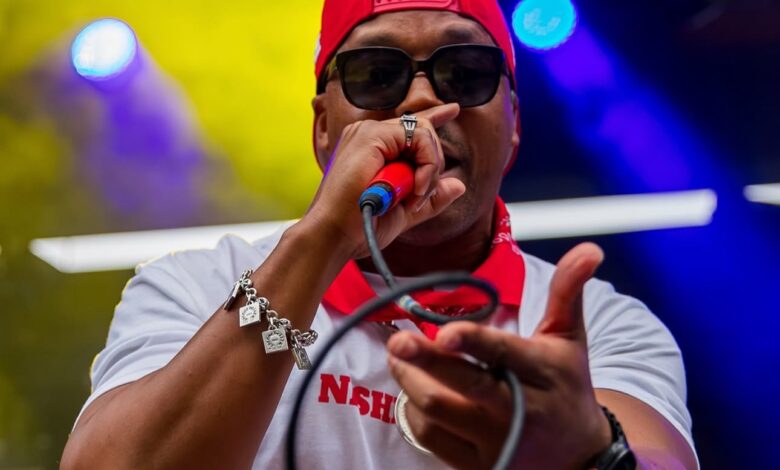
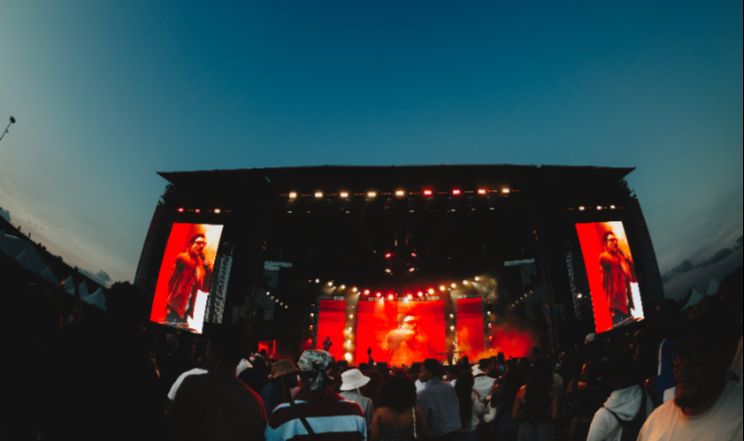
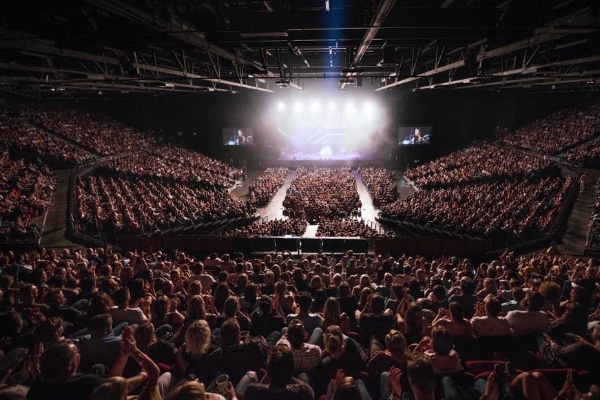
For years, Back to the City Festival has been the heartbeat of South African hip-hop culture — a place where dancers, emcees, graffiti artists, DJs and fans breathe the same rhythm. But in the first week of November, something huge happened: Back to the City officially went mainstream, landing a two-part TV special on SABC1, airing on November 7 and 8.
For many, it wasn’t just a festival replay.
It was a moment.
A cultural flashpoint.
A sign that South African hip-hop is stepping into a new era.
Today, we unpack what this means for the culture, why this broadcast matters, and how it could shape the future of hip-hop across Cape Town, Johannesburg, Durban, and beyond.

Hip-Hop Finally Takes Over National TV
Let’s be honest — hip-hop hasn’t always received the respect it deserves on mainstream South African television. Many festivals, movement leaders, and underground artists have built the culture from the ground up, often without proper media representation.
So when SABC1 decided to showcase Back to the City 2025 as a national TV special, it wasn’t “just a broadcast.”
It was a statement.
It showed that hip-hop is not only a niche culture.
It’s not a “youth phase.”
It’s a full-blown cultural powerhouse with mass appeal.
The two-part special didn’t just replay performances — it captured the essence of the festival:
- Cyphers that felt like old-school street battles
- Graffiti sessions showcasing South Africa’s raw visual talent
- Skating jams blending hip-hop with extreme sports culture
- Behind-the-scenes conversations with artists shaping the movement
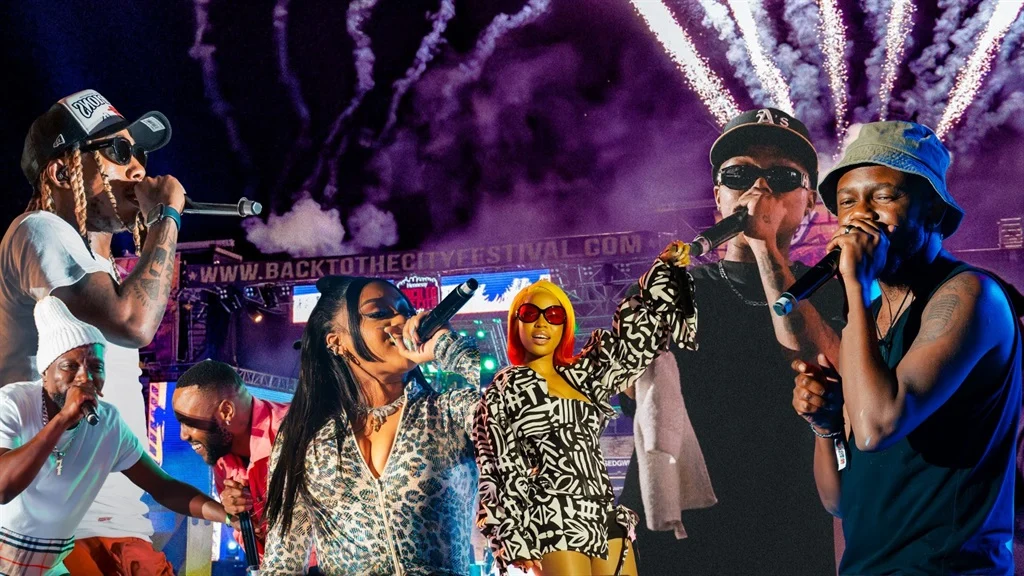
- Electrifying performances from major acts like Cassper Nyovest, Emtee, Big Zulu, Touchline, K.Keed, and more
For fans who couldn’t travel to Johannesburg, this was a chance to witness SA hip-hop in its purest form — unfiltered, unapologetic, and beautiful.

Why This Broadcast Matters for SA Hip-Hop
The airing of Back to the City on SABC1 did more than spotlight the artists on stage.
It elevated the entire movement.
1. Visibility for Underground Artists
Not every artist performing at Back to the City is mainstream.
Some are rising stars grinding through Cape Town cyphers, Open Mics in Jozi, and shows in Durban.
Being featured on national TV gives them:
- Footage they can use to pitch to labels
- New audiences who may discover their music
- Credibility that accelerates their careers
For upcoming MCs, one televised moment can change everything.
2. Hip-Hop Gains Respect as an Art Form
South African hip-hop has often been overshadowed by other genres like Amapiano or Afrobeats when it comes to mainstream exposure.
But the BTTC special reminded the country of hip-hop’s depth:
- Lyrical storytelling
- History
- Social commentary
- Dance
- Street fashion
- Graffiti
- DJ culture
It showed the nation that hip-hop is more than music — it’s a culture with roots, impact, and influence.

3. A Boost for the Cape Town Scene
Even though the festival happens in Johannesburg, Cape Town artists have always played a massive role in shaping SA hip-hop.
Artists like:
- YoungstaCPT
- K.Keed
- Dee Koala
- Uno July
- Dope Saint Jude
- Proph
…have represented the Cape on stages across the world — and moments like this TV special widen the platform for Cape Town voices to shine.
When hip-hop culture gets national attention, Cape Town benefits too.
It opens more doors for:
- Shows
- Cyphers
- Collaborations
- Brand partnerships
- Artist discovery
This is a cultural win for the entire coastline.
4. Hip-Hop Gets Documented for Future Generations
One of the biggest issues in South Africa’s music history is lack of proper documentation.
A lot of legendary artists came and went without archived footage, interviews, or performances audiences can revisit.
But this TV special changes things.
Now:
- Students can study these performances
- Future artists can look back at how SA hip-hop evolved
- The culture gains documented milestones
This is how movements become history.
Standout Performances That Made Waves
While every artist brought fire, a few moments stood out and set social media on fire.
Emtee’s Emotional Return
Emtee’s performance was packed with vulnerability and energy.
He reminded fans why he remains one of SA’s most influential voices — raw, relatable, and real.
Big Zulu’s Crowd Control
Big Zulu delivered that signature Inkabi dominance.
With his booming vocals and warrior-like stage presence, he had the crowd roaring from the first bar.
K.Keed Representing Cape Town
K.Keed continues to prove why she is one of the most exciting voices in the new-wave Cape Town scene.
Her performance blended confidence, lyrical sharpness, and attitude — showing why she’s quickly becoming a national favorite.
Touchline’s Poetic Precision
Touchline once again showcased why he’s one of SA’s best storytellers.
His performance balanced lyrical depth with emotional delivery, earning him respect from fans and fellow artists.
Impact on the Future of Back to the City
With this newfound exposure, the festival is likely to grow even bigger in 2026 and beyond.
We can expect:
- More major brand partnerships
- A larger international audience
- Bigger stages and artist lineups
- Possibly more TV specials and digital editions
- Increased involvement from Cape Town and coastal artists
This TV broadcast wasn’t a one-off.
It was the beginning of a new chapter.
How Fans Reacted Online
South Africa’s social platforms exploded as the episodes aired.
Fans highlighted:
- Their favorite performances
- Their favorite lines
- Surprise appearances
- DJ sets that stole the show
- Graffiti pieces that blew their minds
Many said the festival deserved this kind of national spotlight years ago.
Others praised SABC1 for finally giving hip-hop the respect it deserves.
If anything, the reaction showed that hip-hop has a massive TV audience waiting to be served.
Final Thoughts: A Win for the Culture
The first week of November gave South African hip-hop something priceless — visibility, recognition, and celebration.
Back to the City moving onto SABC1 proved that hip-hop is not only thriving, but expanding.
For Cape Town, this is a sign to keep pushing.
More visuals.
More events.
More collaborations.
More storytelling.
Hip-hop is moving forward — and the Mother City needs to be at the front of that wave.