
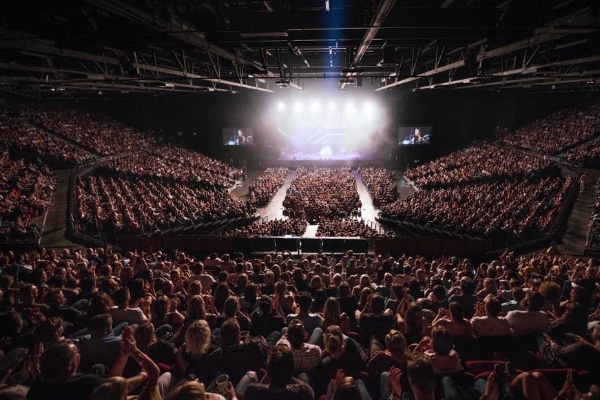
Amapiano vs Hip-Hop: Competition, Collaboration, or Coexistence?

By Eli Jesse
For the past few years, one debate has dominated South African music conversations: Is Amapiano killing hip-hop? In 2025, the answer is clearer than ever — this isn’t a war. It’s a cultural evolution.
Amapiano and hip-hop are no longer fighting for space. They’re learning how to exist, collaborate, and feed off each other, reshaping the South African sound in the process.

How the Debate Started
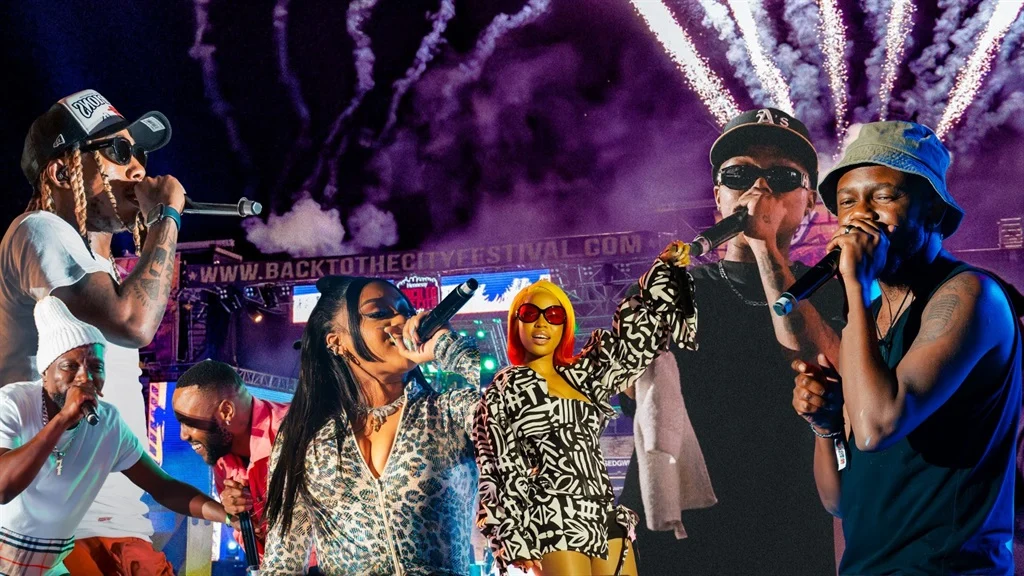
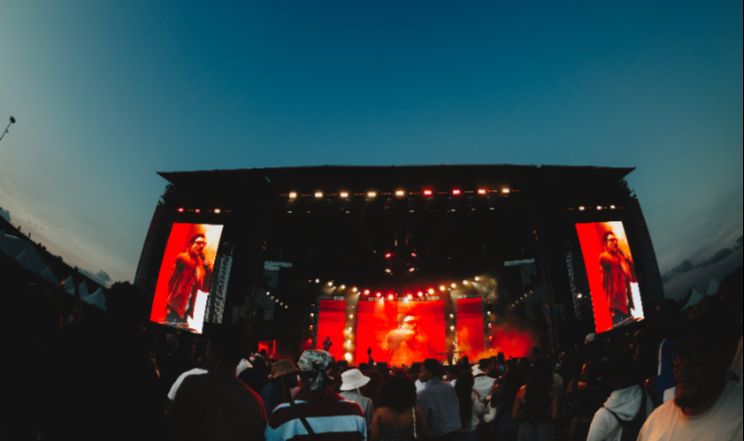
When Amapiano exploded from the townships into mainstream dominance, hip-hop fans felt threatened. Clubs, radio stations, festivals, and playlists leaned heavily toward the new sound. Suddenly, rappers who once ruled stages found themselves competing with log drum-driven anthems and dance-centric performances.
Hip-hop had been the voice of youth culture for years — lyrical, expressive, and rebellious. Amapiano arrived with a different energy: communal, rhythmic, and deeply rooted in groove rather than bars. The shift felt abrupt, and tensions were inevitable.
But competition often creates innovation.
Different Cultures, Same Roots
At their core, both genres come from the same places — the streets, the townships, and the lived experiences of young South Africans.

Hip-hop has always been about storytelling, struggle, ambition, and self-expression. Amapiano focuses on feeling, vibe, and movement. One speaks loudly; the other moves subtly. Yet both reflect everyday life, hustle, joy, and survival.
Instead of replacing hip-hop, Amapiano filled a different emotional space. It didn’t silence rappers — it challenged them to adapt.
The Rise of Collaboration
By 2025, collaboration has become the dominant theme. Rappers are no longer resisting Amapiano — they’re embracing it.
Hip-hop artists jump on Amapiano beats, delivering smoother flows and melodic hooks. Producers invite rappers to add lyrical weight to piano-driven tracks. These collaborations perform well both commercially and culturally because they bridge audiences.
The result? Music that works in clubs and headphones. Songs you can dance to, but still feel.
This fusion has also helped hip-hop stay relevant in spaces where pure rap struggled. Instead of chasing trends, artists redefined them.

Hip-Hop’s Identity Crisis — and Growth
There was a moment when SA hip-hop seemed unsure of itself. Should it stay lyrical and risk losing mainstream attention? Or go commercial and risk losing credibility?
In 2025, that question no longer matters.
Hip-hop has matured. Artists understand that versatility doesn’t mean selling out. The genre now includes street rappers, melodic hitmakers, underground lyricists, and genre-benders — all under one umbrella.
Amapiano didn’t weaken hip-hop. It forced it to evolve.
Business, Numbers, and Reality
From a business perspective, Amapiano dominates streams, club bookings, and international DJ sets. It travels easily — no language barrier, no heavy lyrics to translate.
Hip-hop, however, excels in branding, storytelling, and longevity. Rappers build strong personal brands, loyal fanbases, and long-term careers. They sell merch, headline shows, and launch businesses.
In short:
Amapiano wins the moment.
Hip-hop wins the legacy.
Fans Are the Real Winners
For listeners, this coexistence is a blessing. Fans no longer have to choose sides. A playlist can jump from bars to vibes without losing authenticity.
The new generation doesn’t see genre boundaries the way older fans did. To them, good music is good music. If it slaps, it slaps.
This mindset is shaping the future — less gatekeeping, more creativity.
The Future: Unity Over Rivalry
Looking ahead, the line between Amapiano and hip-hop will continue to blur. We’ll see more hybrid sounds, more unexpected collaborations, and more global exposure.
Instead of asking which genre is winning, the better question is: How far can South African music go together?
In 2025, the answer is simple — very far.
This isn’t competition.
It’s collaboration.
And South African music is stronger because of it.