

AKA’s Legacy: How Supa Mega Still Shapes the Game

By Eli Jesse
Years after his rise to the top of South African hip-hop, AKA’s presence refuses to fade. Supa Mega was more than a rapper—he was a blueprint. A standard. A pressure point. A cultural force who toyed with pop without losing rap credibility, who polished his sound until it felt cinematic, and who turned every beef into a national conversation.
Even now, his echoes sit everywhere in the game. New artists reference him. Veterans compete with the standard he set. Producers still chase that glossy Mega feel. And fans continue to treat his catalog like scripture.
This is not nostalgia. This is influence that refuses to die.

Here’s how AKA still shapes the South African hip-hop landscape today.
He Rewrote the Sound of South African Rap
Before AKA, many South African rappers looked either fully American or fully local. Supa Mega fused both and created a middle lane that almost every star now walks in.
His formula was clear but difficult to replicate:
- Heavy, polished drums
- Bright synths and stadium-ready melodies
- A rap-pop hybrid that still felt lyrical
- Clean transitions and cinematic layers
- Emotion-driven songwriting with swagger
This sound became the default template for radio-friendly SA hip-hop. Artists across the country still try to tap into the same blend of melody, braggadocio, and emotional storytelling.
Whether you’re listening to a new Durban melodic rapper or a Pretoria trap anthem that tries to bridge rap and pop, the DNA is familiar. The blueprint is Mega’s.
His Aesthetics Changed How SA Rappers Present Themselves
AKA didn’t just drop music—he crafted a world around it.
His visuals, fashion, stage presence, and branding were all curated with precision. He wasn’t a street rapper; he was a superstar. A pop-level figure in a hip-hop space. Even artists who didn’t like him admitted that the man understood image.
Today, you can see his influence in:
- The clean, luxury-focused music videos
- The blend of high-end streetwear with South African identity
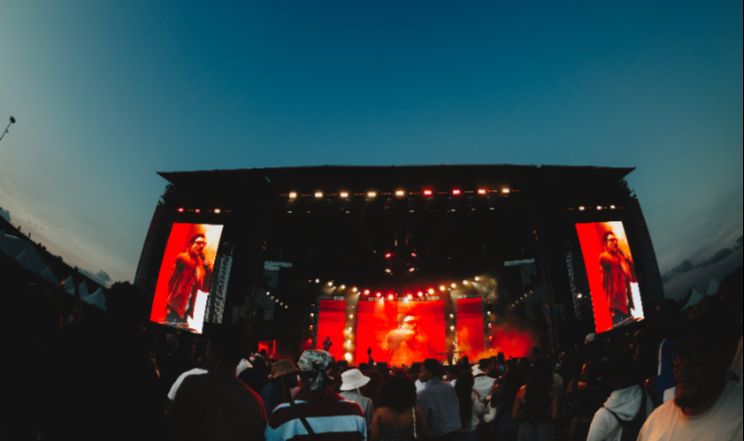
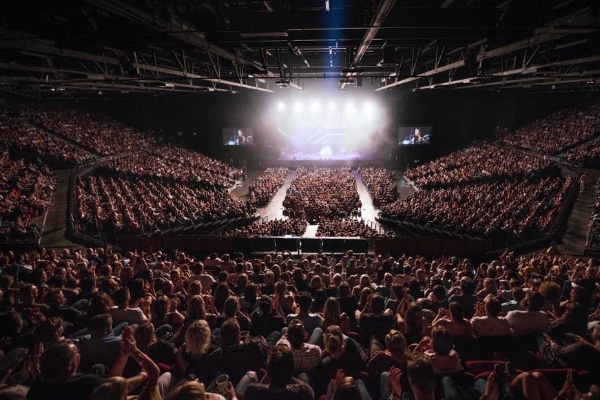
- The polished stage sets and arena-style energy
- The Instagram-forward artist branding
- The cinematic rollouts and recurring visual themes
Supa Mega taught the game that presentation is not optional. It’s part of the music.
His Beefs Still Dictate Narratives
AKA’s rivalries weren’t petty. They were cultural moments.
He understood how to turn competition into fuel. Whether he was throwing subliminals, dropping battle-ready verses, or sparking national debate, Mega’s beefs became storylines that shaped the direction of SA hip-hop.
Today, new beefs still follow his format:
- Diss tracks with layered meaning
- Public performances that double as statements
- Social media energy feeding into releases
- Fans picking sides and pushing the narrative
- Real tension blending with artistry
He showed the country that rap beef is more than noise—it’s strategy.
Artists who engage in rivalry today are playing in the house he built.
He Elevated Collaboration Standards
AKA’s collaborations were never random. They were calculated, musical, and polished.
He didn’t just feature on a track—he elevated it. His work with singers, rappers, producers, and crossover artists created a lane where South African hip-hop could touch pop, dance, Afro-fusion, and R&B without losing identity.
Now, artists across SA mimic the same approach:
- Pairing rappers with powerful vocalists
- Mixing genres with confidence
- Crafting hooks that transcend rap audiences
- Using features to amplify aesthetic, not just streams
His feature game set a national expectation.
The Emotional Layer He Normalized
Before Mega, vulnerability in SA rap was rare or coded. He made it stylish and powerful.
His catalog often blended bravado with heartbreak, anger with reflection, glory with pain. That emotional duality created a human connection that still resonates in today’s young artists who now freely rap about:
- Relationships
- Self-doubt
- Mental pressure
- Loss
- Identity
The acceptance of emotional storytelling in SA hip-hop? He helped open that door.
He Built a Superstar Standard That Still Pressures the Game
Every rapper in South Africa—big or upcoming—knows the truth:
To be a superstar in SA hip-hop, you must move with AKA-level ambition.
He pushed the industry to level up by:
- Demanding high-quality production
- Releasing albums with vision, not just playlists
- Delivering unforgettable live performances
- Crafting hits that last years, not weeks
- Engaging with fans like a pop act, not just a rapper
Even artists who don’t sound like him feel his shadow.

His Legacy Lives Through New Artists
Across the country, upcoming rappers adopt Mega’s elements:
- Big hooks
- Glossy trap-pop beats
- Stylish, confident delivery
- Cinematic video aesthetics
- Emotion-driven writing
- Confidence as a brand
Some are direct students. Others are influenced without realizing it. That’s the mark of true legacy.