A-Reece, Nasty C & the Big Moves Defining South African Hip-Hop Right Now
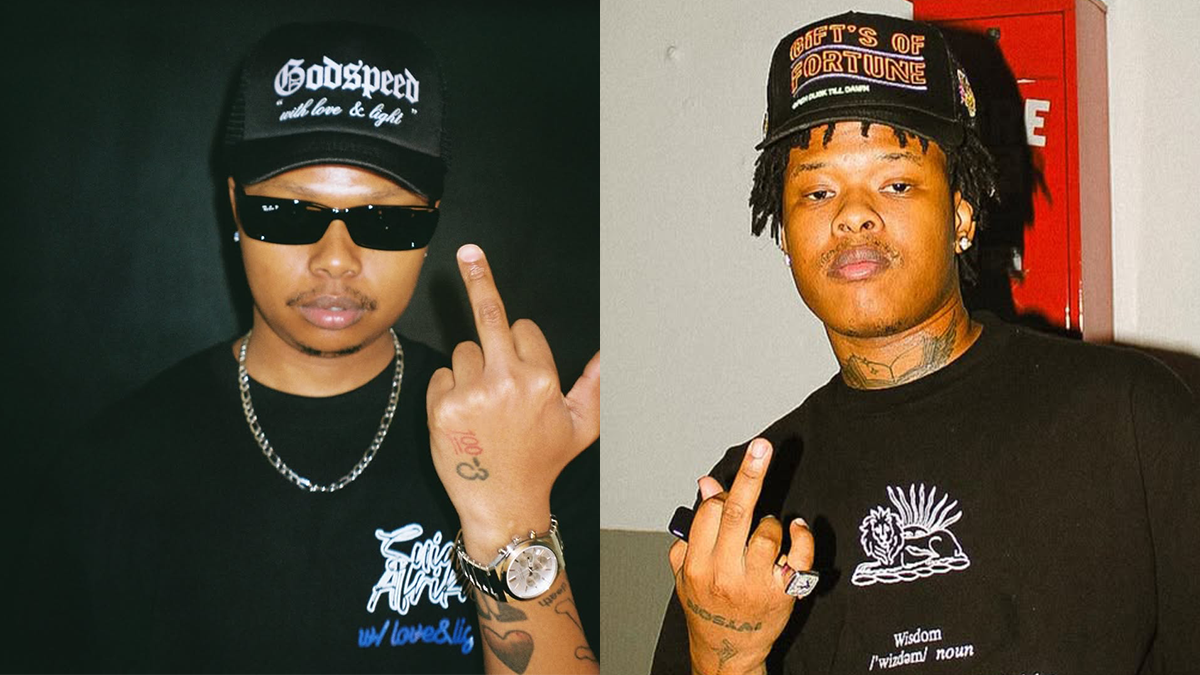
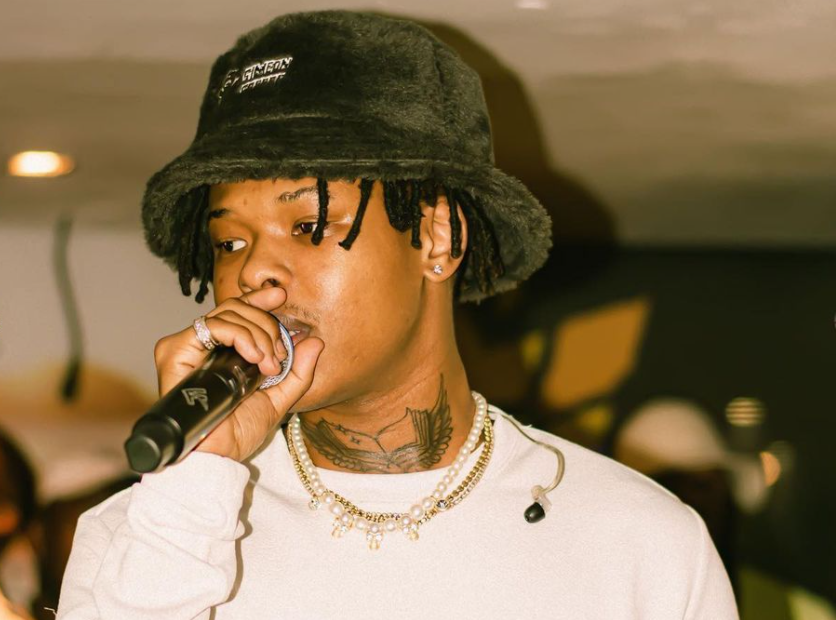
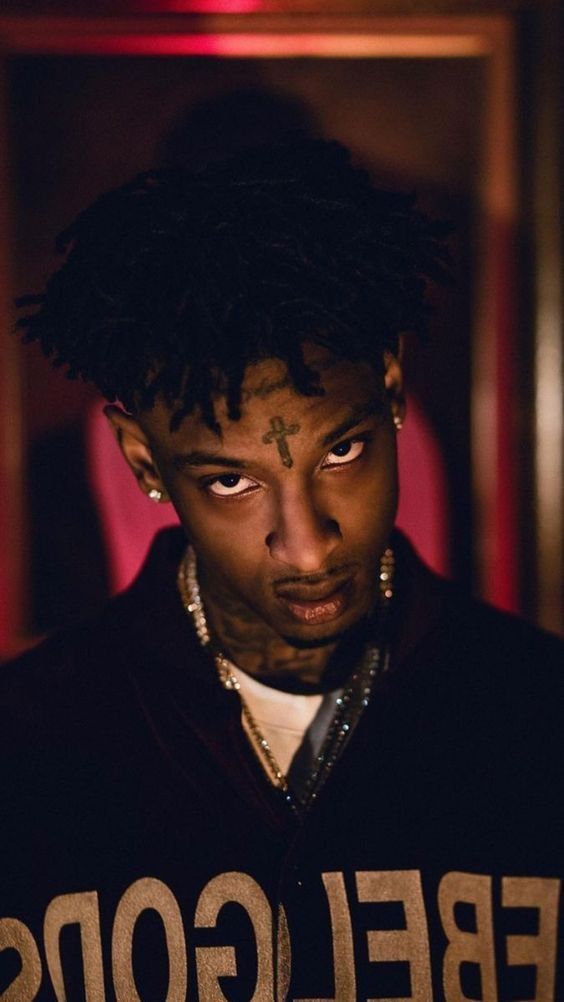
As January 2026 rolls deeper into the month, South African hip-hop is being shaped by artists who understand both timing and impact. This period hasn’t just been about dropping music—it’s been about positioning, influence, and reminding the culture who’s really steering the ship. Artists like A-Reece and Nasty C continue to sit at the center of the conversation, not just because of their names, but because of how they move.

South African hip-hop during this stretch feels intentional. Every release, appearance, and subtle move seems calculated, showing a scene that’s grown past randomness into strategy.
A-Reece: Quiet Pressure, Heavy Presence
A-Reece remains one of the most influential figures in South African hip-hop without needing constant noise. During this part of January, his name stayed active in conversations thanks to music drops, features, and the ripple effect his work always creates.
What separates A-Reece is consistency in tone and message. His recent output leans into reflection, loyalty, and industry realities, packaged in sharp lyricism that rewards close listening. He doesn’t chase trends; instead, he lets trends catch up to him. That approach keeps his fanbase deeply locked in and attracts new listeners who value authenticity over hype.
In South African hip-hop, A-Reece represents control—control of sound, narrative, and pace. That alone makes his every move feel bigger than just music.
Nasty C: Global Mindset, Local Roots
Nasty C continues to balance global ambition with South African identity better than most. This phase of January saw renewed attention around his music, performances, and overall presence. Whether through fresh releases or live moments circulating online, his influence remains undeniable.
What stands out is his adaptability. Nasty C moves comfortably between polished international sounds and raw hip-hop energy, proving that South African hip-hop can travel without losing its accent. His recent work shows growth—not just technically, but emotionally—touching on maturity, pressure, and legacy.
At this stage in his career, Nasty C isn’t just chasing hits. He’s shaping perception, opening doors, and setting standards for younger artists watching closely.
Strategic Moves Beyond Music
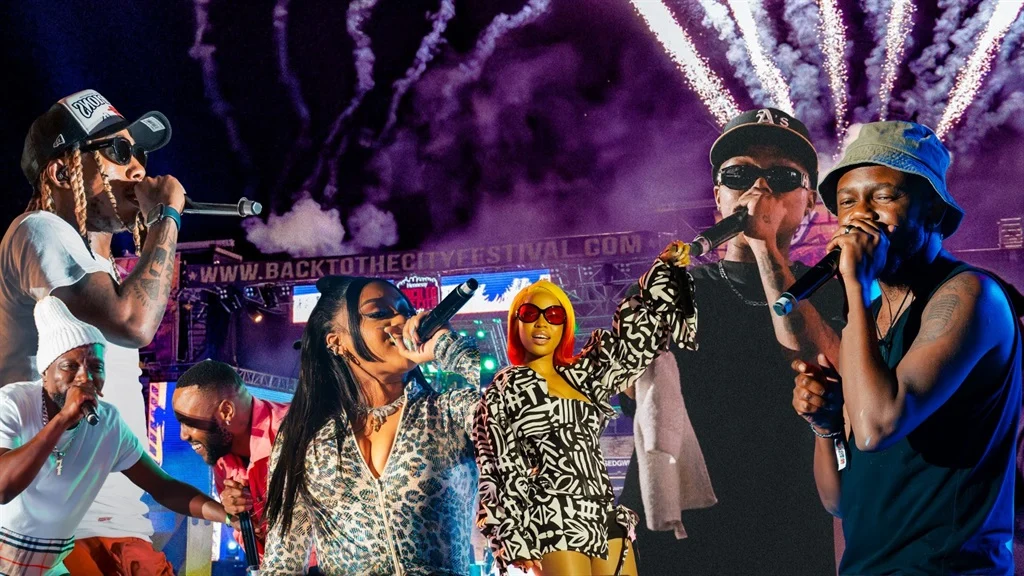
One key trend during this period has been artists making moves outside traditional releases. Brand alignments, surprise appearances, curated performances, and calculated silences all played a role in keeping South African hip-hop buzzing.
Artists understand that presence doesn’t always mean dropping songs weekly. Sometimes it’s about being seen in the right spaces, aligning with the right conversations, and letting anticipation build naturally. This level of awareness shows how professional and business-minded the South African hip-hop scene has become.
These moves also highlight a shift where artists are thinking long-term—about ownership, influence, and sustainability.
Competition Without Chaos
Another noticeable aspect of this period is how competitive South African hip-hop feels without descending into unnecessary chaos. There’s tension, yes—but it’s creative tension. Rappers are pushing each other through bars, quality drops, and performance standards rather than constant public beef.
Sneak disses and lyrical flexing still exist, but they’re handled with subtlety and skill. Fans are listening closely, decoding lines, and debating intent, which adds excitement without dragging the culture down.
This kind of competition elevates the scene. It forces artists to sharpen their craft instead of relying on controversy.
Fans Are Paying Attention
Audience response during this time has been sharp. Listeners aren’t just streaming—they’re analyzing, comparing, and debating. Social platforms have been active with discussions around verses, production choices, and artist direction.
This level of engagement shows that South African hip-hop fans value depth. They want growth, honesty, and replay value. Artists who deliver that are being rewarded with loyalty rather than just momentary attention.
What This Moment Means
This stretch of January 2026 highlights a mature phase for South African hip-hop. Artists like A-Reece and Nasty C aren’t just releasing music—they’re setting tone and direction. Their moves influence how upcoming artists approach their careers and how the industry views South African hip-hop as a whole.
The scene feels confident, competitive, and forward-thinking. If this energy continues, South African hip-hop isn’t just having a good month—it’s building a strong year.