The cultural significance of gambling throughout history
The origins of gambling
Gambling, one of humanity’s oldest pastimes, has roots that trace back to ancient civilizations. Archaeological evidence suggests that games of chance were played in Mesopotamia around 3000 BC, utilizing dice made from animal bones. These early forms of gambling were often intertwined with religious practices, where people believed they could influence the outcome of events through chance. Over centuries, gambling evolved, reflecting societal norms and cultural values. For those curious about the modern landscape, exploring https://lolajackcasinos.uk/ can provide insights into today’s online offerings.

In ancient China, gambling was not merely a leisure activity but also a means of socializing. The Chinese played various games, including dice and card games, which were often accompanied by betting. The introduction of paper and the printing press in the 9th century further transformed gambling, leading to the development of card games that would spread across Asia and eventually to Europe. This melding of culture and chance laid the groundwork for many modern games we recognize today.
As civilizations grew, so did the complexity of gambling. The Roman Empire embraced gambling, evident from the numerous references found in literature and artworks of the time. Romans engaged in betting on chariot races and gladiatorial contests, giving rise to a rich gambling culture that permeated their society. Through trade and conquest, this gambling culture influenced various parts of the world, creating a shared yet diverse legacy that continues to shape the perception of gambling.
The role of gambling in society
Gambling has historically served multifaceted roles within societies, acting as a social equalizer and an economic engine. In many cultures, gambling provides a space where social classes intersect, allowing individuals from different backgrounds to engage in a shared experience. This interaction fosters community ties, often around popular events such as sports or festivals, where gambling is prevalent. Such gatherings strengthen social bonds, illustrating how gambling transcends mere games of chance.
Economically, gambling has become a significant contributor to national and local revenues. Governments have increasingly recognized the financial potential of regulated gambling, leading to the establishment of lotteries, casinos, and online betting platforms. This economic impact has been particularly evident in places like Las Vegas and Monaco, where tourism thrives on the allure of gambling. The revenue generated supports infrastructure, education, and public services, showcasing how gambling can facilitate broader societal benefits.
However, the societal impact of gambling is not universally positive. Issues such as addiction and financial hardship can stem from unregulated gambling practices, leading to social stigmas and health crises. Recognizing these dual aspects of gambling is crucial in contemporary discussions about its cultural significance. Society continues to grapple with balancing the entertainment value of gambling with the potential for harm, reflecting its complexity and importance in cultural contexts.
The evolution of gambling practices
Over the centuries, gambling practices have evolved significantly, shaped by technological advancements and changing cultural attitudes. The advent of the printing press in the 15th century revolutionized gambling by popularizing card games and enabling the dissemination of gambling-related literature. This period marked the transition from informal games to more structured forms of gambling, such as the establishment of formal casinos in the 17th century across Europe.
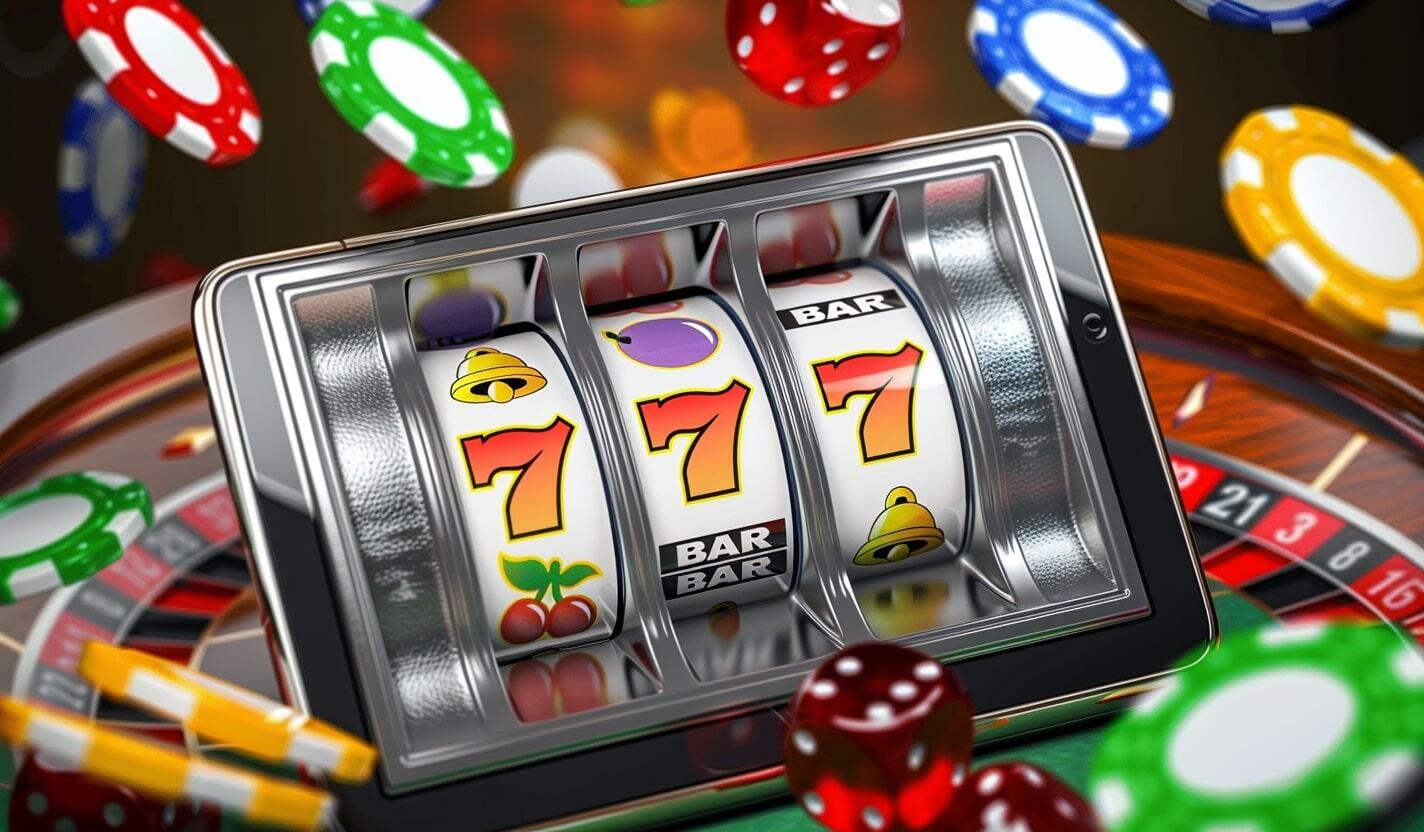
In the 20th century, the introduction of electronic gaming machines, particularly slot machines, transformed the gambling landscape. Casinos began to offer more varied experiences, catering to a wider audience. This innovation led to the emergence of themed casinos and entertainment complexes, blurring the lines between gambling and other forms of entertainment. The integration of gambling into popular culture is evident in movies, music, and literature, often romanticizing the allure and excitement of games.
The late 20th and early 21st centuries saw another monumental shift with the rise of online gambling. This evolution has democratized access to gambling, allowing individuals to engage from the comfort of their homes. Online platforms have provided diverse gaming options, from traditional table games to innovative virtual experiences. This shift highlights the adaptability of gambling practices to modern lifestyles, while also sparking debates about regulation, consumer protection, and the psychological impacts of online gaming.
The cultural significance of gambling in modern times
In modern society, gambling remains a potent cultural phenomenon that encompasses both leisure and risk. It serves as a form of entertainment, with millions participating in activities like sports betting, casino games, and lottery draws. The social aspect of gambling persists, as people gather to watch sports events or enjoy nights out at casinos, reinforcing community and shared experiences. The cultural narrative around gambling has evolved to include themes of luck, strategy, and the human desire to take risks.
Moreover, gambling has been embraced as a cultural reference point in various forms of media. Films, television shows, and literature often portray gambling as a thrilling and glamorous activity, reflecting society’s fascination with the thrill of risk-taking. This portrayal can perpetuate stereotypes and glamorize the lifestyle associated with high-stakes gambling, influencing perceptions among the younger generation and those unfamiliar with its consequences.
However, the darker sides of gambling are also gaining recognition, leading to increasing advocacy for responsible gaming practices. Organizations are working to raise awareness about the potential for addiction and financial difficulties associated with gambling. The cultural significance of gambling today thus encompasses both its enjoyment and its challenges, highlighting the need for a balanced understanding of its role in contemporary life.

Exploring online gambling platforms
With the growth of technology, online gambling platforms have emerged as a dominant force in the gambling industry, offering a convenient alternative to traditional land-based casinos. These platforms provide an extensive array of gaming options, including slots, table games, and live dealer experiences, catering to diverse player preferences. The allure of accessing thousands of games from anywhere has significantly altered how individuals engage with gambling.
The user experience on online gambling sites often emphasizes convenience and variety. Players can enjoy fast payouts, 24/7 customer support, and a range of payment options, including cryptocurrencies. This flexibility has made online gambling particularly appealing to a younger demographic that values accessibility and innovation. Moreover, promotional offers and welcome bonuses create an enticing environment for new players, further propelling the popularity of these platforms.
However, the rise of online gambling is not without its challenges. Issues related to regulation, security, and responsible gaming practices are at the forefront of discussions surrounding online platforms. Ensuring that players are protected from potential risks is crucial as the industry continues to grow. Ultimately, online gambling represents both an evolution in how gambling is experienced and an ongoing dialogue about its implications for culture and society.
About the Author